
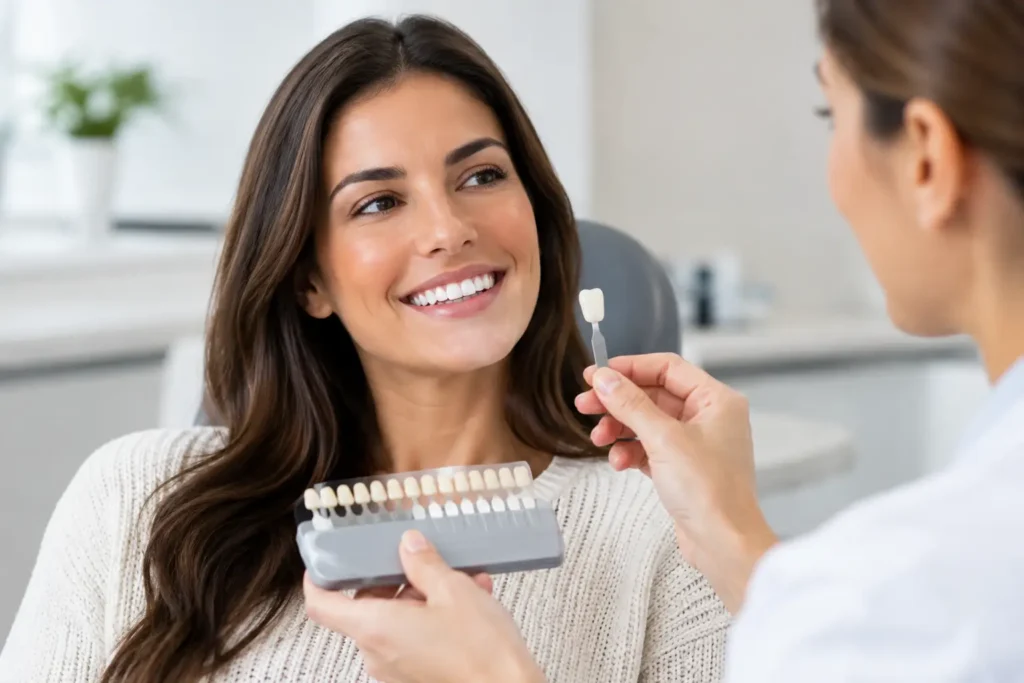
A chipped front tooth can make you think twice before smiling in photos. A small gap, uneven edge, or stubborn discoloration can have the same effect. When comparing veneers vs teeth bonding, the better choice is rarely about choosing the most expensive option. It is about choosing a treatment that suits your tooth structure, smile goals, timeline, and budget.
Both treatments can create a noticeable improvement with natural-looking results. However, they work differently, last for different lengths of time, and involve different levels of preparation. A personalized dental exam is the best way to know what will serve your smile well for years, not just look good on the day of treatment.
Veneers vs Teeth Bonding: The Main Difference
Dental bonding uses a tooth-colored composite resin to reshape or repair a tooth. Your dentist applies the material directly to the tooth, sculpts it into place, hardens it with a special curing light, and polishes it to blend with your natural enamel. Bonding is often used for minor chips, small gaps, uneven tooth edges, and localized discoloration.
Veneers are thin custom shells, usually made from porcelain or composite material, that cover the front surface of a tooth. They are designed in advance to improve the tooth’s color, shape, size, or alignment. Porcelain veneers are especially popular for patients seeking a more dramatic, long-lasting smile transformation.
Think of bonding as a precise repair or subtle enhancement. Veneers are more often a planned redesign of the visible smile. Both can look beautiful, but the right treatment depends on what needs to be changed.
When Teeth Bonding May Be the Better Choice
Bonding is often a practical starting point when the concern is small and specific. If one tooth has a chipped corner after an accident, for example, composite resin can restore the shape without changing the surrounding teeth. It can also close a minor space or make a slightly short tooth appear more even.
One of bonding’s biggest advantages is how conservative it can be. In many cases, little to no natural enamel needs to be removed. The appointment is typically completed in one visit, making it an appealing option for patients who want an efficient improvement before a special event or simply want to feel more confident smiling.
Bonding is generally less expensive upfront than porcelain veneers. For individuals and families balancing dental needs with a budget, that matters. It can also be repaired more easily if it chips. A dentist can often add or reshape composite material without replacing an entire restoration.
The trade-off is durability. Composite resin is strong, but it is not as stain-resistant or wear-resistant as porcelain. Coffee, tea, red wine, tobacco, and strongly colored foods can gradually affect the color. Biting nails, chewing ice, or opening packages with your teeth can also cause bonding to chip or wear down sooner.
With good home care and regular dental visits, bonding may last several years. Its lifespan varies based on the location of the bonded tooth, your bite, and your habits. Bonding on a front tooth that is protected by a stable bite usually performs differently than bonding placed where heavy chewing pressure occurs.
When Veneers May Be Worth the Investment
Veneers can be an excellent option when several visible teeth need a coordinated change. They may address deeper discoloration that does not respond well to whitening, worn or uneven edges, multiple small gaps, mild shape concerns, or teeth that appear too narrow or short.
Porcelain reflects light in a way that closely resembles natural enamel, which is one reason it can produce such refined results. It also resists staining better than composite bonding. For patients who enjoy coffee or other pigmented drinks, this can be a meaningful long-term benefit.
The veneer process generally requires more planning than bonding. Your dentist evaluates your bite, gum health, enamel, facial proportions, and the way your smile appears when you talk and laugh. Some cases require a small amount of enamel preparation so the veneers can sit naturally and avoid looking bulky. Because enamel does not grow back, traditional veneer treatment is usually considered irreversible.
Porcelain veneers often last longer than bonding when they are well planned and properly cared for. Still, they are not indestructible. Veneers can crack or come loose, especially when patients grind their teeth or regularly bite hard objects. A night guard may be recommended for anyone with clenching or grinding habits.
Veneers also require a larger financial commitment. Their durability and esthetic benefits can make them worthwhile for the right patient, but they are not automatically the best answer for every cosmetic concern. If only one tooth needs a minor repair, a veneer may be more treatment than necessary.
Cost, Time, and Maintenance Matter
Cost is an understandable part of the decision. Teeth bonding usually has a lower initial cost because it uses less lab work and can often be completed in one appointment. Veneers are custom designed and fabricated, so they typically cost more per tooth.
It helps to consider value over time rather than looking only at the first treatment fee. Bonding may need touch-ups, polishing, repair, or replacement sooner. Veneers can last longer, but replacement is more involved and comes with a higher cost. Your dentist should provide clear treatment options and explain what is included before you decide.
Time is another difference. Bonding may be completed in a single visit, while veneers commonly involve consultation, preparation, impressions or digital scans, temporary veneers in some cases, and a final placement appointment. If you have an important date approaching, your timeline should be part of the conversation early.
Maintenance for both options starts with healthy daily habits. Brush twice a day with a nonabrasive toothpaste, floss daily, and keep up with professional cleanings and exams. Avoid using your teeth as tools. If you play contact sports, wear a protective mouthguard. These simple choices help protect both your cosmetic work and the natural teeth underneath.
Your Oral Health Comes First
Cosmetic treatment works best on a healthy foundation. Cavities, gum inflammation, active periodontal disease, and untreated bite problems should be addressed before veneers or bonding are placed. Covering a concern without treating its cause can lead to discomfort, damage, or unnecessary replacement later.
Your bite deserves special attention. If your front teeth hit edge-to-edge, if you grind at night, or if one tooth receives more force than the others, that pressure can shorten the life of bonding and veneers alike. In some cases, a dentist may recommend orthodontic treatment, bite adjustment, restorative care, or a protective night guard before moving forward with cosmetic changes.
A good cosmetic result should not simply look white and straight. It should feel comfortable, support healthy function, and complement your natural features. The most successful smiles are designed with all of that in mind.
How to Decide Between Veneers and Bonding
Start by identifying what you want to change. For a small chip, a narrow gap, or one uneven edge, bonding may be the simple and effective answer. For multiple teeth with significant color, shape, or symmetry concerns, veneers may offer a more consistent and lasting transformation.
Then consider your habits and expectations. If you want the most stain-resistant material and are comfortable with a more involved treatment process, porcelain veneers may fit your goals. If preserving as much natural tooth structure as possible and keeping the initial cost lower are top priorities, bonding may be more suitable.
Photos can be helpful during your consultation, especially if there is a smile shape or level of brightness you like. Your dentist can explain what is realistic for your teeth and show how different options may affect the final appearance. Modern imaging and thoughtful treatment planning make it easier to make decisions with confidence rather than guesswork.
At South Zone Dental, our focus is on creating beautiful smiles while protecting the health and function behind them. Whether you are considering a subtle repair or a bigger smile change, a comfortable, clear conversation is the right first step. The best option is the one that lets you smile more freely while still making sense for your everyday life.