
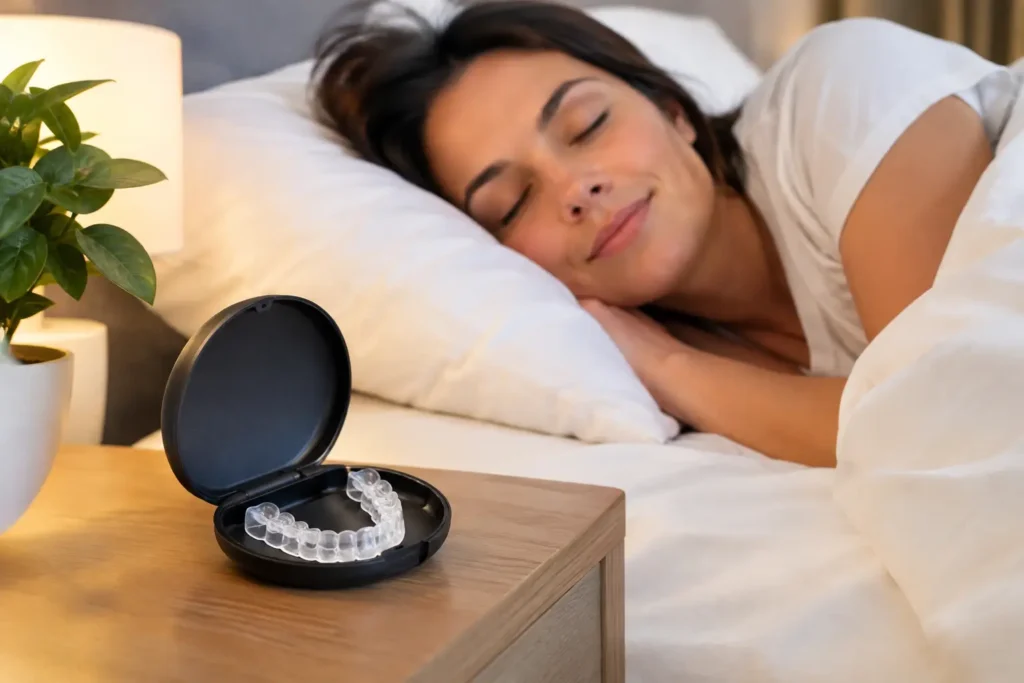
Waking up with a sore jaw, morning headaches, or teeth that feel unusually sensitive can make a normal night’s sleep feel anything but restful. The best mouthguards for grinding are not necessarily the thickest or most expensive option. They are the ones that fit your bite comfortably, stay in place while you sleep, and protect your teeth without creating new jaw discomfort.
Teeth grinding, also called bruxism, is common and often happens during sleep. A night guard does not always stop the muscle activity that causes grinding, but it creates a protective barrier between your upper and lower teeth. That barrier can help reduce tooth wear, protect dental work, and ease the strain that repeated clenching places on your jaw.
Why fit matters more than a one-size-fits-all solution
A mouthguard should feel secure, not bulky or loose. If it shifts when you talk, makes you gag, or leaves your jaw feeling more tired in the morning, it may not be the right design or fit. The goal is simple: keep the teeth separated in a stable, comfortable position while you sleep.
Grinding can range from occasional clenching during stressful periods to severe nightly bruxism that chips teeth, wears down enamel, and damages crowns or fillings. That is why the “best” option depends on your symptoms, bite, dental history, and how consistently you will actually wear the guard.
A sports mouthguard is not a substitute for a night guard. Sports guards are designed to absorb impact during activity and are usually too bulky for sleeping. Night guards are designed around your bite and the forces created by clenching and grinding over many hours.
The best mouthguards for grinding by type
Dentist-made custom night guards
For frequent or heavy grinding, a custom night guard made by a dentist is usually the strongest long-term choice. Your dentist takes an impression or digital scan of your teeth so the guard can be shaped precisely for your bite. It is typically thinner and more comfortable than a generic guard, yet made from durable material selected for the level of grinding you experience.
Custom guards may be hard, soft, or layered. A hard acrylic guard is often recommended for strong clenchers because it holds its shape and allows teeth to glide more predictably. Softer guards can feel more comfortable for some patients, especially those new to night guards, but they may wear through faster when grinding is severe. A dual-laminate option combines a softer inside surface with a more durable outer layer.
The trade-off is cost. Dentist-made guards are generally more expensive upfront than drugstore choices, but a well-made guard can last longer and may help protect far more costly dental work. It also gives your dentist a chance to identify cracks, worn enamel, gum recession, bite changes, or jaw-joint concerns that may be contributing to your symptoms.
Professionally supervised digital or lab-made guards
Some practices use digital scanning and modern lab workflows to create custom guards efficiently and accurately. The key benefit is still the same: a guard made specifically for your teeth, with professional oversight of the fit and bite.
This option can be especially useful if you have crowns, veneers, bridges, implants, orthodontic retainers, or a history of jaw pain. These situations require more than a basic impression. The guard needs to protect your teeth without placing uneven pressure on dental work or changing how your teeth come together.
Over-the-counter boil-and-bite guards
Boil-and-bite mouthguards soften in hot water, then mold around your teeth when you bite down. They are widely available, affordable, and can be a reasonable short-term option for someone who has mild, occasional clenching or needs temporary protection while arranging a dental visit.
Their limitation is precision. It is difficult to create an even bite by yourself, and the material can become thick in some areas and thin in others. A poorly molded guard may feel uncomfortable, fall out at night, or encourage you to clench harder. If you choose this route, follow the instructions carefully and stop using it if it causes pain, numbness, or a noticeable bite change.
Stock or one-size-fits-all guards
Stock guards are the least expensive option, but they are rarely the best choice for regular sleep use. Because they are not shaped to your teeth, they can be loose, bulky, and difficult to keep in place. They may be useful for a very brief emergency situation, but they are not ideal for ongoing bruxism management.
For many people, a guard that feels unpleasant will end up in a drawer. A lower-cost option only helps if you can wear it consistently.
How to choose a night guard for your symptoms
Start by considering what is happening when you wake up. Mild tooth sensitivity or occasional jaw tightness may call for a simpler solution. Repeated headaches, sore facial muscles, chipped teeth, flattened chewing surfaces, or broken restorations suggest a more significant grinding pattern that deserves a professional assessment.
Think about whether you clench, grind side to side, or both. Clenching often creates intense pressure, while grinding creates friction that can rapidly wear down enamel. Your dentist can check the wear patterns on your teeth and recommend a material and thickness that match the forces in your bite.
Comfort matters, too. Upper guards are common because they tend to stay in place well, but lower guards can be a better fit in certain cases. People with a strong gag reflex, crowded teeth, or specific dental restorations may benefit from one design over another. There is no universal “best” side or material.
Signs you should see a dentist instead of guessing
A night guard is helpful protection, but it should not be used to ignore ongoing pain or damage. Schedule an exam if you notice persistent jaw pain, clicking or locking in the jaw, tooth cracks, loose fillings, sudden sensitivity, facial pain, or headaches that continue despite using a guard.
Grinding can be connected to stress, sleep quality, certain medications, bite changes, or sleep-related breathing concerns. A dentist can evaluate the dental effects and discuss whether another health professional should be involved. If a guard no longer fits, feels tight, or seems to change your bite after removal, have it checked before continuing to wear it.
At South Zone Dental, patients can receive a thorough assessment and a custom treatment plan designed around comfort, protection, and their budget. Modern diagnostic tools help identify early signs of wear before minor grinding becomes a larger repair.
Caring for a mouthguard so it lasts
Rinse your guard with cool water after each use and gently clean it with a soft toothbrush and mild soap. Hot water can warp many materials, so avoid it unless your dentist has given you specific cleaning instructions. Let the guard air-dry completely in its ventilated case before storing it.
Bring your guard to regular dental visits. Your dentist can check for wear, cracks, rough edges, and changes in fit. Replace it when it becomes damaged, heavily chewed, loose, or uncomfortable. A guard that has done its job may show wear, but it should not become a source of irritation.
The right night guard should make protecting your smile feel easy, not like another problem to manage. If your teeth or jaw are telling you that grinding is taking a toll, a properly fitted guard and a dental exam can help you sleep with greater comfort and confidence.