
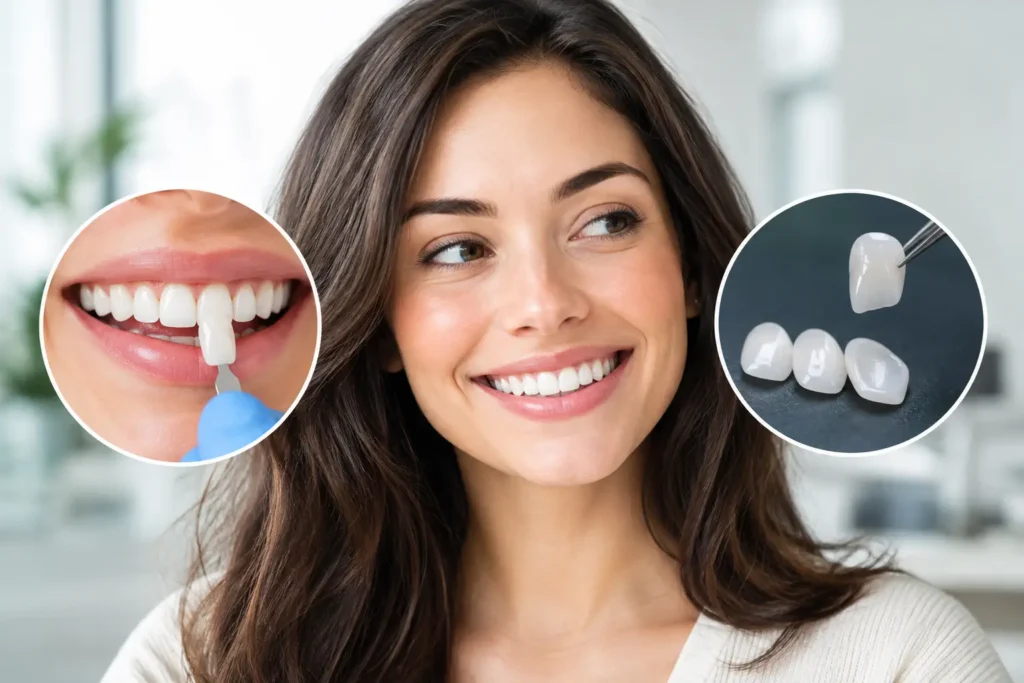
A small chip on a front tooth can change how you feel in every photo, meeting, and conversation. When comparing dental bonding vs veneers, the best choice is rarely about choosing the most dramatic result. It is about finding an option that protects your natural tooth, fits your budget, and gives you a smile you feel comfortable sharing.
Both treatments can improve chips, gaps, uneven edges, worn teeth, and discoloration. They are not interchangeable, though. One is typically faster and more conservative, while the other can offer a more durable, comprehensive cosmetic change. A personal exam is the right place to start, because the condition of your teeth and bite matters as much as the look you want.
Dental Bonding vs Veneers: The Main Difference
Dental bonding uses a tooth-colored composite resin that is shaped directly onto the tooth. Your dentist selects a shade, applies the material in layers, hardens it with a curing light, and carefully smooths and polishes it. In many cases, bonding can be completed in one visit and requires little to no removal of natural enamel.
Veneers are thin, custom-made shells placed over the front surface of teeth. Porcelain veneers are a popular choice because porcelain reflects light in a way that closely resembles natural enamel and resists staining well. Some cases may use composite veneers, but when patients refer to veneers, they often mean porcelain. The process usually includes planning, preparing the teeth, taking impressions or digital scans, and placing the final veneers at a later appointment.
The practical difference is this: bonding is often a targeted repair or modest cosmetic enhancement, while veneers are usually chosen for a more complete smile makeover. That does not make one automatically better. It depends on what your tooth needs and what you want your treatment to accomplish.
When Dental Bonding May Be the Better Choice
Bonding is often an excellent option for a single chipped tooth, a small gap, a slightly uneven edge, or a minor area of discoloration. It can also be useful after an injury when a tooth needs to be rebuilt quickly and naturally. For patients who want a visible improvement without a major change to their teeth, it can be a practical first step.
Because dental bonding usually preserves more of the natural tooth structure, it appeals to patients who prefer a conservative approach. It is also typically less expensive upfront than porcelain veneers, especially when only one or two teeth need attention. If affordability is a priority, bonding may make a meaningful cosmetic improvement more accessible.
The trade-off is maintenance. Composite resin is strong, but it is not as hard or stain-resistant as porcelain. Coffee, tea, red wine, tobacco, and strongly colored foods can gradually affect its appearance. Bonding can also chip or wear over time, particularly if you bite your nails, chew ice, or grind your teeth.
The good news is that bonding is often easier to repair than a veneer. If a small area chips, your dentist may be able to add and reshape resin rather than replace the entire restoration. Regular cleanings, good home care, and a night guard when needed can help extend its life.
Bonding is often ideal for small, specific changes
If your goal is to correct one noticeable flaw rather than redesign your entire smile, bonding may be all you need. A skilled dentist can blend the material with your surrounding enamel so the repair looks natural rather than obvious.
It may be less suitable when several front teeth have significant discoloration, larger gaps, extensive wear, or uneven shapes. In those situations, trying to build every concern with resin can sometimes lead to bulkier-looking teeth or frequent touch-ups.
When Veneers May Be Worth Considering
Veneers can create a more consistent change across several visible teeth. They are commonly considered for teeth that are deeply stained, naturally small, unevenly shaped, worn down, or resistant to whitening. They can also close certain gaps and improve the overall balance of a smile.
Porcelain veneers generally hold their color well and can provide a polished, lifelike finish for many years with proper care. That makes them appealing for patients looking for a long-term cosmetic solution. The final result is planned across the smile, so details such as tooth length, contour, color, and symmetry can be considered together.
However, veneers are a bigger commitment. Traditional veneer preparation usually involves removing a small amount of enamel to make room for the restoration. Once enamel has been removed, the tooth will generally need a veneer or another restoration in the future. That is why a thoughtful consultation and treatment plan matter.
Veneers also cost more upfront than bonding. Their longevity can make them a good value for the right patient, but they are not the best choice simply because they are more comprehensive. If a conservative repair can meet your goals, there is real value in preserving as much healthy tooth structure as possible.
Veneers need a healthy foundation
Cosmetic treatment works best when oral health comes first. Cavities, gum inflammation, cracked teeth, and untreated grinding should be addressed before veneers are placed. If you clench or grind your teeth, a protective night guard may be recommended to reduce the risk of damage.
Your bite is equally important. A veneer that looks beautiful in a photo still needs to function comfortably when you speak and chew. Modern diagnostic tools and careful planning help your dentist assess how your teeth come together before recommending treatment.
Cost, Durability, and Daily Care
For many families, cost is the first question. Dental bonding is usually the more budget-friendly option at the beginning because it takes less lab work and can often be completed in a single appointment. Veneers involve custom fabrication and more detailed planning, which increases the initial investment.
It is helpful to think beyond the first appointment. Bonding may need polishing, repair, or replacement sooner, especially on teeth that receive heavy biting pressure. Porcelain veneers typically last longer when they are well cared for, but they can still chip, loosen, or require replacement over time. No cosmetic restoration lasts forever.
Both options benefit from the same everyday habits: brush twice a day with a non-abrasive toothpaste, floss daily, keep regular dental visits, and avoid using your teeth as tools. Opening packages, biting pens, or crunching hard ice can damage natural teeth as well as cosmetic work.
If whitening is part of your plan, timing matters. Whitening products do not change the color of bonding or veneers. Many patients whiten their natural teeth first, then have their bonding or veneer shade matched to the brighter result. Your dentist can help you plan the sequence so your smile looks even.
Questions to Ask Before You Decide
A cosmetic consultation should feel like a conversation, not a sales pitch. Bring photos of smiles you like, but also be ready to discuss what bothers you most about your own teeth. Sometimes the right answer is a simple bonding repair. Other times, a combination of whitening, bonding, contouring, or veneers creates the most natural result.
Ask how much natural tooth structure needs to be changed, what the expected maintenance will be, and what happens if a restoration chips or stains. It is also reasonable to ask whether your bite, gum health, and enamel make you a good candidate. Clear answers help you choose with confidence instead of pressure.
At South Zone Dental, patients can discuss cosmetic goals alongside their everyday dental needs in one welcoming setting. An examination can identify whether a concern is mainly cosmetic or whether a hidden crack, decay, bite issue, or gum condition should be treated first.
The best smile enhancement should still look and feel like you. Whether you choose a quick bonding repair or a more complete veneer plan, start with an in-person assessment and choose the option that supports both your confidence and your long-term oral health.