
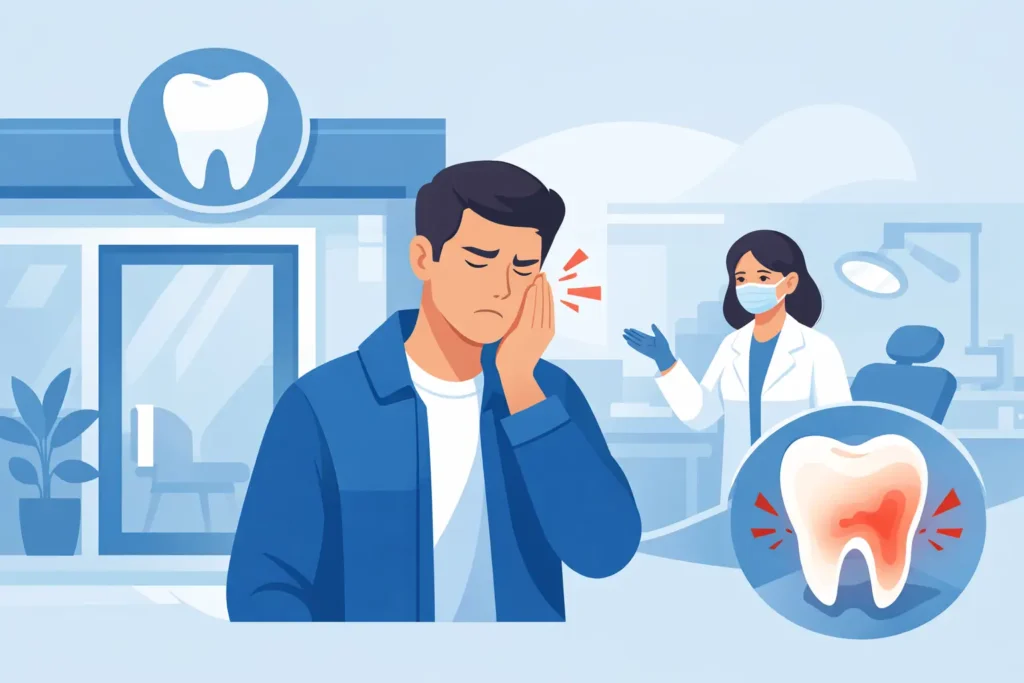
Tooth pain rarely shows up at a convenient time. It can start as a dull ache during lunch, turn sharp by dinner, and keep you awake all night. When that happens, finding a walk in dentist for tooth pain is often the fastest way to get answers, relief, and treatment before the problem gets worse.
Not every toothache is a full emergency, but many cases should be seen the same day. Pain is your body’s warning sign. Sometimes the issue is a simple cavity or a cracked filling. Other times, it points to an infection, a broken tooth, an abscess, or gum problems that need prompt care. Waiting too long can mean more discomfort, more treatment, and more cost.
When a walk in dentist for tooth pain makes sense
A walk-in visit is a good option when the pain is new, worsening, or interfering with normal life. If you cannot chew, sleep, focus at work, or get through the day comfortably, it is time to be seen. The same is true if you have swelling, sensitivity that lingers, pain when biting down, or a tooth that feels loose or damaged.
For many patients, speed matters just as much as treatment. You may not have time to wait days for an opening, especially if the pain is intense. A practice that accepts walk-ins and same-day emergency visits can help reduce that stress. You get examined sooner, the cause is identified faster, and you can start the right treatment plan without unnecessary delays.
There is also a practical side to walk-in dental care. Tooth pain can be hard to diagnose on your own. A sore upper tooth may actually be related to sinus pressure. Pain that feels like it comes from one tooth may start in another. What seems minor can hide a deeper infection. Modern imaging and a careful exam help remove the guesswork.
Common reasons for tooth pain
The most common cause is tooth decay. A cavity can begin quietly, but once it gets deeper and reaches the inner part of the tooth, sensitivity and pain often follow. Hot coffee, cold water, sweets, or even air can trigger it.
Another frequent cause is a cracked or broken tooth. Sometimes the crack is obvious after biting something hard. Sometimes it is tiny and only hurts when pressure is applied in a certain way. Fillings can also fail over time, leaving a tooth exposed and tender.
Infection is one of the most urgent causes. If bacteria reach the pulp inside the tooth, the pain may become intense, throbbing, or constant. You might notice swelling in the gums or face, a bad taste in your mouth, or pressure that seems to build. This is not something to ignore.
Gum disease can also create pain, especially if there is swelling, recession, or infection around the tooth. In some cases, wisdom teeth are the problem, particularly when they are partially erupted or inflamed. Grinding and clenching can add another layer, causing soreness that feels like a toothache when the real issue is pressure and strain.
Signs you should not wait
Some symptoms call for urgent dental attention. Facial swelling is a major one, especially if it is spreading or paired with fever. Bleeding that does not stop, severe pain after trauma, a knocked-out tooth, or pus near the gums should also be seen quickly.
There is a difference between discomfort and a situation that may escalate fast. If pain is strong enough that over-the-counter medication barely touches it, or if it keeps returning in waves, that usually means the underlying issue is active. The longer it sits, the less likely it is to improve on its own.
If you are ever unsure, it is better to call and ask than to tough it out. A friendly dental team can help you figure out whether you should come in right away.
What to expect from a walk-in dental visit
A walk-in dental visit is designed to move quickly without cutting corners. First, the team will ask about your symptoms, when the pain started, and whether anything makes it better or worse. They will also want to know if you have swelling, trauma, sensitivity, or trouble chewing.
Next comes the exam. The dentist may check the tooth, surrounding gums, bite, and nearby areas to see whether the pain is isolated or part of a larger issue. Digital X-rays are often used because they show what is happening below the surface, including decay, infection, cracks, or bone changes.
Once the source of the pain is identified, the next step depends on the diagnosis. Some patients need a filling. Others may need a root canal, extraction, crown, antibiotic support, or treatment for gum inflammation. In some cases, the first visit focuses on reducing pain and stabilizing the issue, followed by a second appointment for full treatment.
That can sound overwhelming, but the right clinic makes it straightforward. Clear communication matters. You should understand what is causing the pain, what your options are, how urgent the treatment is, and what the costs may look like.
Why same-day care can save you trouble
Tooth pain is one of those problems that often gets more expensive when delayed. A small cavity may be handled with a simple filling. If you wait until the nerve is involved, treatment may shift to a root canal and crown. If the tooth cannot be saved, extraction may be the only option.
The same pattern applies to broken teeth and gum infections. Early care is usually more comfortable, less invasive, and easier on your budget. That is one reason accessible dental care matters so much for families and cost-conscious patients.
A clinic that welcomes walk-ins, new patients, and emergency visits removes a common barrier to care. You do not have to wonder whether you will be turned away or forced to wait too long while the problem worsens.
Choosing the right walk in dentist for tooth pain
Not every office is set up for urgent care. If you need help quickly, look for a practice that clearly offers walk-in visits, emergency dental care, and same-day evaluations when possible. Experience matters too. A team that sees a high volume of dental pain and emergency cases is often better prepared to diagnose and treat problems efficiently.
Technology also makes a difference. Digital diagnostics, modern imaging, and updated treatment tools can speed up the process and improve accuracy. For patients, that means less uncertainty and a smoother experience from exam to treatment.
Affordability should be part of the conversation as well. Many people delay care because they worry about cost. An approachable office that explains options, accepts a broad range of patients, and focuses on practical treatment planning can make urgent dental care feel much more manageable. At South Zone Dental, that combination of accessibility, modern care, and patient-first service is a big part of helping the community get treated sooner.
What you can do before you arrive
While you are waiting to be seen, a few simple steps may help. Rinse gently with warm salt water if your mouth feels irritated. Avoid chewing on the painful side. Stay away from very hot, very cold, or very sweet foods if they trigger sensitivity.
If needed, use an over-the-counter pain reliever as directed on the label, unless your physician has told you otherwise. A cold compress on the outside of the cheek may help with swelling. Try not to place aspirin directly on the gums or tooth, since that can irritate the tissue.
Most importantly, do not assume the pain will pass just because it fades for a few hours. Tooth pain often comes and goes before it gets worse.
Tooth pain in kids and older adults
Children do not always explain dental pain clearly. They may avoid one side when chewing, wake up at night, become unusually irritable, or say their jaw hurts instead of naming the tooth. A walk-in dental visit can help sort out whether the issue is a cavity, a loose tooth, gum inflammation, or something else.
Older adults may have different concerns, including worn restorations, exposed roots, dry mouth, or pain around existing dental work. For both age groups, quick access matters. Pain changes eating, sleep, mood, and daily comfort fast.
A better approach to urgent dental care
When you have tooth pain, you do not need a complicated process. You need a dental team that can see you promptly, explain what is happening, and offer treatment that fits your needs. Friendly service matters. So does clinical skill. The best experience brings both together.
If your tooth has been bothering you today, tonight is not the time to keep hoping it settles down on its own. Getting checked early can protect your health, your comfort, and your smile – and sometimes that first step is simply choosing to walk in.