
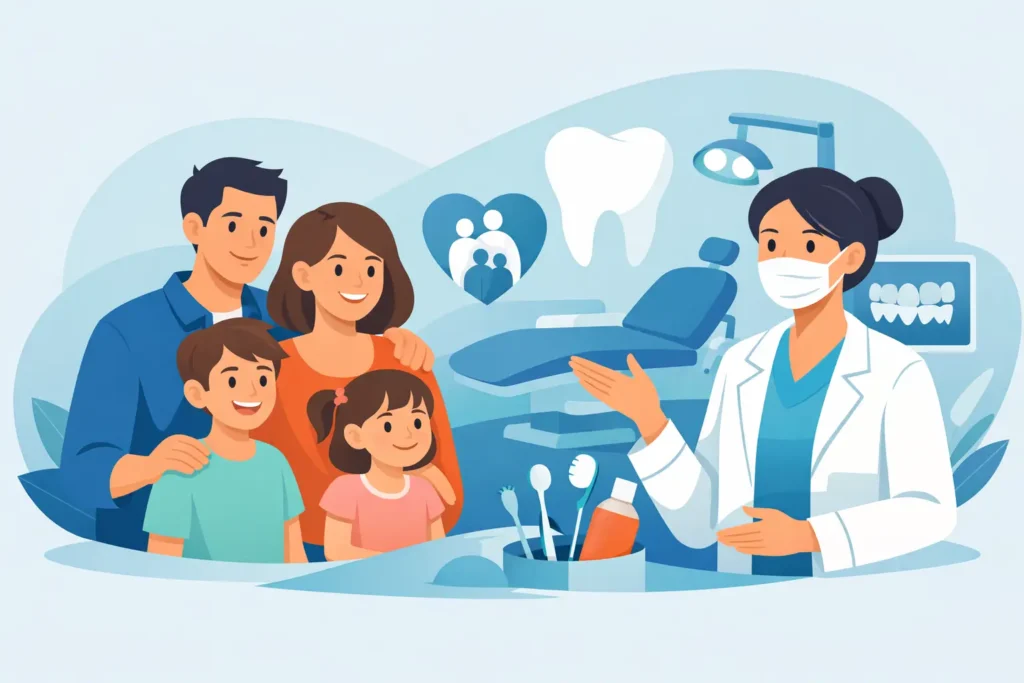
A child’s first cleaning, a teen’s sports-related chipped tooth, a parent’s lingering toothache, and a grandparent’s need for a comfortable restoration may look like separate dental needs. In practice, they are often part of one family’s week. Choosing a family dentist for all ages gives everyone a familiar place to turn for routine visits, unexpected concerns, and the care that helps them feel confident about their smiles.
For busy families in Surrey, convenience matters, but it should not mean settling for less. The right practice combines a welcoming team, modern diagnostic tools, clear treatment options, and access to care when timing is not ideal. That can make dental care feel less like another complicated task and more like a dependable part of looking after your family.
Why one dental home makes a real difference
When family members see the same dental team, appointments are easier to coordinate and dental histories are kept in one place. Parents do not have to start over with a new office every time a child reaches a different stage of life, and adults can receive ongoing care without feeling rushed through a one-size-fits-all plan.
Consistency also builds trust. Young children often feel more comfortable when they recognize the front desk team, the hygienist, and the dentist. Teens may be more willing to ask questions about their smile or oral hygiene when they have an established relationship with their care team. Adults and older patients benefit from a provider who understands their past treatment, current concerns, and long-term goals.
A family practice should still treat each person as an individual. A six-year-old learning how to brush needs a different conversation than an adult considering a crown or someone interested in improving the appearance of their smile. The benefit of all-ages care is not identical treatment. It is having the right level of care available as needs change.
What a family dentist for all ages should provide
A strong family dental practice offers more than cleanings. Preventive care remains the foundation, including exams, professional cleanings, digital imaging when appropriate, and practical guidance on daily habits. Regular visits can help identify early signs of decay, gum concerns, worn teeth, or bite changes before they become more complicated and costly to address.
For children, the goal is to create positive early experiences while monitoring development. This may include checking how teeth are coming in, discussing cavity prevention, and helping parents understand when a concern needs attention. Gentle communication is especially valuable for children who are nervous, have had a difficult visit elsewhere, or simply need time to become familiar with the dental setting.
For adults, care often involves balancing prevention with real-life demands. Grinding, stress, old fillings, missing teeth, gum health, and tooth sensitivity can all affect comfort and confidence. A complete practice can diagnose the cause of a problem and explain options clearly, from a simple repair to more involved restorative treatment.
Older adults may have additional considerations, such as dry mouth related to medications, increased cavity risk, worn restorations, or difficulty chewing comfortably. Regular care helps protect natural teeth when possible and supports choices that fit each patient’s health, budget, and lifestyle.
Modern care should feel clearer, not more complicated
Technology is most valuable when it improves the patient experience. Advanced imaging and modern diagnostic tools can help dentists spot issues earlier, show patients what is happening in their mouth, and plan treatment more precisely. When patients can see and understand the concern, they can make decisions with greater confidence.
At South Zone Dental, technology-forward care is paired with a patient-first approach. Modern tools, including advanced diagnostic capabilities and artificial intelligence integration, can support careful evaluation while the dental team remains focused on the person in the chair. Technology should never replace a conversation. It should make that conversation more informed.
For many patients, conservative treatment is another important part of modern dentistry. Biomimetic dentistry focuses on preserving as much healthy tooth structure as possible while restoring strength and function. It may be an option for certain teeth that are cracked, damaged, or deeply decayed, though the best approach depends on the condition of the tooth and the surrounding tissue.
There is no single treatment that is right for every patient. A small cavity may only need a straightforward filling, while a severely weakened tooth may require a more protective restoration. A trustworthy dentist explains the trade-offs, including durability, timing, cost, and what may happen if treatment is delayed.
When a dental problem cannot wait
Families do not schedule emergencies. A broken tooth can happen at dinner, severe pain can start overnight, and a lost filling can quickly become difficult to ignore. Having an established dental office makes those moments less stressful because you already know where to call and what type of help may be available.
Emergency dentistry can address concerns such as significant tooth pain, swelling, a broken or knocked-out tooth, a lost crown, or trauma to the mouth. Not every issue requires the same-day treatment, but pain, swelling, bleeding that does not stop, or a dental injury deserves prompt professional guidance. Waiting can sometimes turn a manageable problem into a more extensive treatment need.
Access matters here. A practice that welcomes walk-ins, dental emergencies, and new patients can reduce the barriers that keep people from seeking help. If you are unsure whether an issue is urgent, contacting the office is the right first step. The team can help determine how quickly you should be seen.
Care that supports both health and confidence
Oral health and confidence often overlap. A healthy smile can make it easier to eat, speak, laugh, and show up comfortably in everyday life. For some patients, that means repairing a damaged tooth. For others, it may mean discussing whitening, cosmetic improvements, or facial aesthetics as part of their overall appearance goals.
The best cosmetic conversations start with oral health. Before changing the appearance of a smile, a dentist should assess the teeth, gums, bite, and any underlying issues. This approach helps ensure that cosmetic treatment complements long-term dental wellness rather than covering up a problem that needs care first.
Families also appreciate having options under one roof. Instead of moving between multiple offices for general care, restorative treatment, emergency visits, and appearance-focused services, patients can work with a team that understands their complete goals. That is particularly helpful when treatment needs to be phased over time for comfort or budget reasons.
Affordability is part of accessible dental care
Dental decisions should be based on clear information, not pressure. Cost is a real concern for many households, especially when more than one family member needs care. A patient-friendly office discusses recommendations honestly and helps patients understand what is essential now, what can be monitored, and what may be planned for later.
Insurance coverage and programs can also make care more manageable. Practices that accept CDCP patients and welcome new patients help more people access the preventive and restorative services they need. If you have questions about payment, coverage, or timing, ask before treatment begins. A transparent conversation can prevent surprises and help you move forward with confidence.
Delaying every concern is rarely the most affordable route, but neither is rushing into treatment without understanding the options. The right plan protects oral health while respecting the realities of family finances.
How to choose the right practice for your family
Look for a dental office where your family can receive consistent care through different stages of life, not just a quick appointment when something hurts. Experience matters, but so do communication, comfort, and the willingness to explain treatment in plain language. A practice with a broad range of services can be especially helpful when a routine visit reveals a need for restorative, emergency, or cosmetic care.
It is also worth considering the practical details: Does the office welcome children and adults? Can it accommodate urgent needs? Does it accept patients who are new to the practice? Are treatment recommendations explained clearly? These questions may seem simple, yet the answers shape whether dental care fits easily into your family’s life.
A family dental office should make every patient feel seen, from the child sitting in the dental chair for the first time to the adult finally addressing a concern they have put off for years. With friendly guidance, modern care, and a team ready to help when it counts, your family can keep moving toward healthier, more confident smiles.