
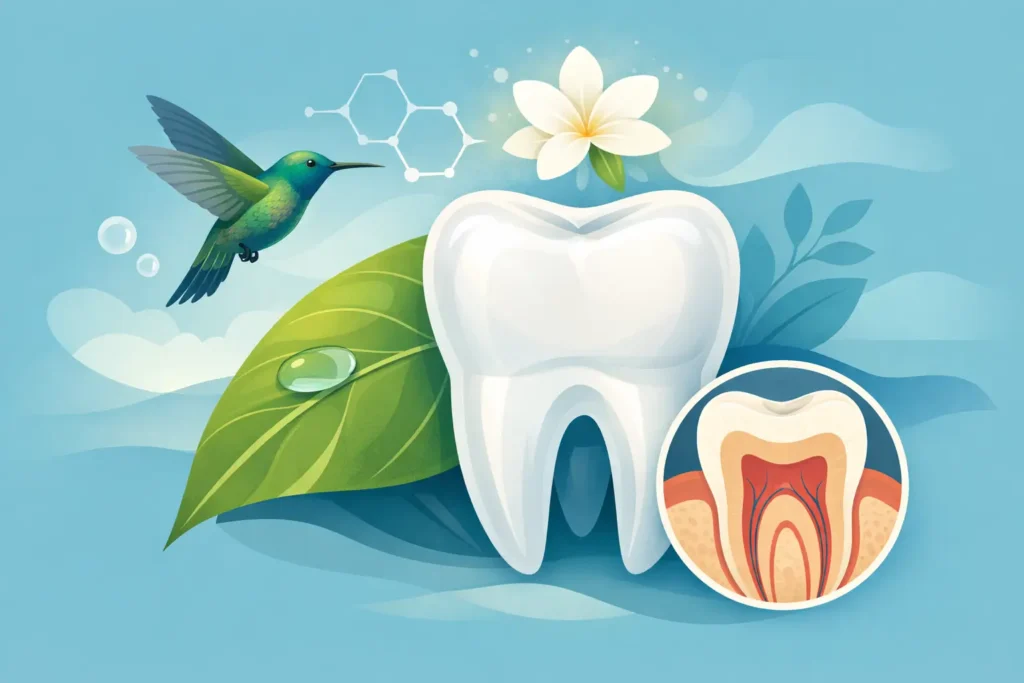
A tooth with a crack, a deep cavity, or an old failing filling does not always need the most aggressive fix. That is usually the first thing people want to know when they ask, what is biomimetic dentistry? In simple terms, it is a modern approach that treats damaged teeth in a way that copies how natural teeth are built and how they behave under pressure.
Instead of removing a large amount of healthy tooth structure and placing a one-size-fits-all restoration, biomimetic dentistry focuses on preserving as much of the natural tooth as possible. The goal is to rebuild the tooth in layers, bond it carefully, and help it function more like a healthy natural tooth again. For many patients, that means a more conservative treatment plan and a stronger long-term result.
What is biomimetic dentistry and how is it different?
Traditional dentistry can sometimes rely on methods that require more tooth reduction, especially when a tooth is badly damaged. Crowns, for example, can be an excellent treatment in the right case, but they often involve shaping down a large portion of the tooth. Biomimetic dentistry takes a different path when possible. It asks whether the tooth can be restored with less removal, more precise bonding, and a design that respects the tooth’s natural structure.
The word biomimetic means imitating biology. In dentistry, that means trying to replicate the strength, flexibility, and protective layers of a real tooth. Enamel is hard. Dentin is slightly more flexible. A good biomimetic restoration takes those differences into account instead of treating the whole tooth as a single block.
This approach is especially relevant for teeth with cracks, large cavities, worn edges, or old restorations that have weakened the remaining structure. It is not just about appearance. It is about helping the tooth absorb bite forces more naturally and reducing the chance of future fracture.
How biomimetic dentistry works
Biomimetic treatment usually starts with a close look at the tooth itself, not just the hole or crack that needs attention. The dentist evaluates how much healthy structure remains, where the tooth is flexing, whether the nerve is affected, and how the bite is loading that area.
From there, the restoration is planned to preserve healthy tissue and seal the tooth as well as possible. Adhesive materials play a major role. Instead of relying mainly on mechanical retention, where the tooth is shaped so a restoration grips onto it, biomimetic dentistry uses advanced bonding techniques to attach the restoration to the tooth structure.
That may involve layered composite or porcelain restorations designed to reinforce weak areas while keeping more of the original tooth intact. Careful isolation and technique matter a lot here. Small details can affect how well the restoration bonds and how long it lasts.
Because this method is detail-driven, it is not usually a rushed process. The benefit is that the result can be more conservative and more tailored to the specific tooth.
Preserving healthy tooth structure
One of the biggest ideas behind biomimetic care is that healthy tooth material is valuable. Once it is removed, it cannot be put back in the same natural form. That is why this approach tries to save strong enamel and dentin whenever possible.
For patients, this matters more than it may seem at first. The more natural tooth structure that stays in place, the better the tooth may handle normal chewing forces over time. In many cases, preserving structure also helps reduce the cycle of larger and larger dental work later on.
Strong bonding and better sealing
A damaged tooth is vulnerable not only because material is missing, but because bacteria and stress can keep working their way in. Biomimetic dentistry aims to create a strong seal that protects the tooth from leakage and further breakdown.
That sealing effect can be especially helpful in deep decay cases where the goal is to protect the tooth and keep the nerve healthy when possible. It depends on the condition of the tooth, of course, but better sealing is one reason many dentists see this approach as a meaningful step forward.
When biomimetic dentistry may be a good option
Not every dental problem calls for biomimetic treatment, but it can be a strong option in a wide range of situations. Teeth with moderate to large cavities often benefit from a conservative bonded restoration rather than a more aggressive one. Cracked teeth may also be candidates, especially when the crack has not progressed too far.
Patients with failing silver fillings or large old restorations may hear about biomimetic options when the remaining tooth structure is still worth preserving. Worn teeth can sometimes be restored this way as well, depending on the cause of the wear and the patient’s bite.
People who value a natural-looking result often appreciate biomimetic dentistry too, since the materials used are usually tooth-colored and designed to blend well with the smile. But the real value is not just cosmetic. It is the combination of function, preservation, and durability.
What biomimetic dentistry is not
It helps to be clear about what this treatment does not mean. It does not mean crowns are bad. It does not mean every cavity should be restored the same way. And it definitely does not mean every damaged tooth can be saved with a minimal approach.
Sometimes a crown is still the better choice. Sometimes the tooth is too broken down, the crack goes too deep, or the nerve is already compromised. In those situations, a more traditional restoration or root canal treatment may be necessary.
That is why the best answer is often, it depends. Biomimetic dentistry is a philosophy and a technique set, not a magic solution for every case. Good diagnosis matters just as much as good materials.
The benefits patients usually notice
Most patients are not thinking about enamel elasticity or bonded interfaces. They want to know whether the tooth will feel strong, look natural, and stay comfortable. Those are exactly the practical benefits that make biomimetic dentistry appealing.
When done well, it can preserve more of your natural tooth, create a restoration that blends in well, and lower the need for more invasive treatment in some cases. Because the tooth is rebuilt with respect for its natural design, the result can feel more like your own tooth rather than something heavily altered.
There can also be a long-term value question here. Conservative treatment may help extend the life of the tooth and delay the need for larger restorations later. That said, the technique can be more complex, and not every case is simple or quick.
Why technology matters in biomimetic care
Precision matters with this kind of treatment. Diagnosing cracks, assessing the extent of decay, checking bite pressure, and planning a restoration all benefit from modern tools and careful imaging.
Technology does not replace clinical judgment, but it can improve it. High-quality diagnostics, digital imaging, and modern restorative materials all support better treatment decisions. In a practice that combines experience with advanced tools, patients often get a clearer understanding of what is happening with the tooth and what options make sense.
That matters when you are trying to save as much natural structure as possible. Small differences in diagnosis can change the treatment plan.
Is biomimetic dentistry worth asking about?
If you have been told you need a large filling, a crown, or treatment for a cracked tooth, biomimetic dentistry is absolutely worth asking about. It may not be the right fit for every situation, but it opens the door to a more conservative conversation.
For families, busy adults, and patients trying to balance quality with affordability, this approach can be especially appealing when it helps preserve a tooth without over-treating it. At South Zone Dental, modern care is about choosing the right treatment for the person in the chair, not just the fastest standard option.
The best next step is not guessing based on symptoms or online photos. It is having the tooth properly examined so you know how much damage is present, what can realistically be preserved, and which treatment gives you the healthiest result. Sometimes the smartest dental care is not the biggest fix. It is the one that respects what your natural tooth still does well.