
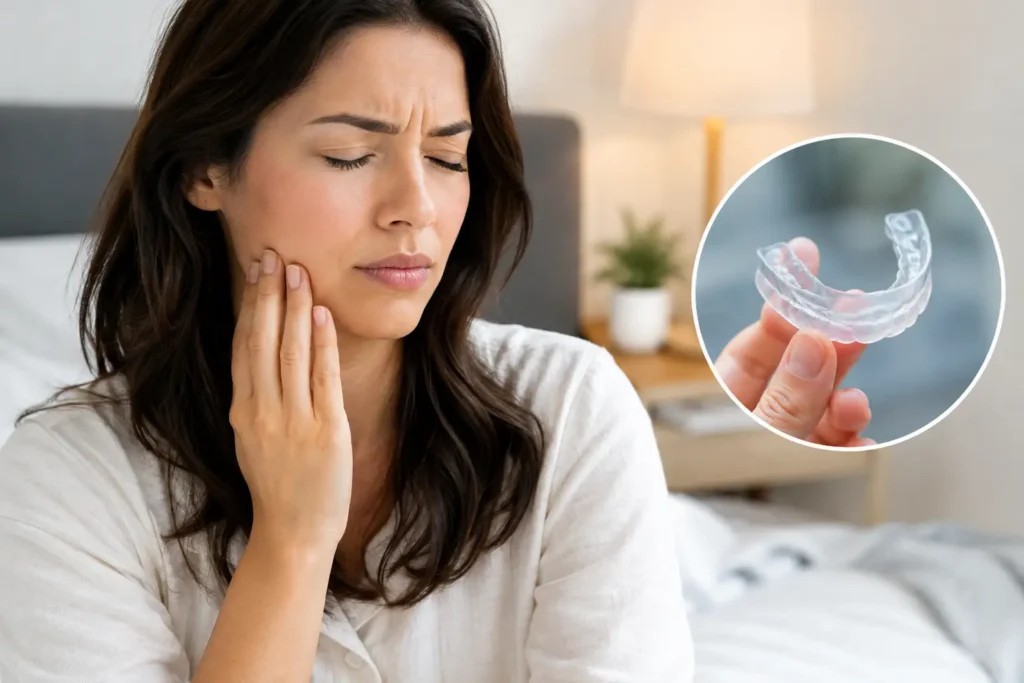
Waking up with a sore jaw, a dull headache, or teeth that feel unusually sensitive can be more than an uncomfortable start to the day. These can be signs of teeth grinding, also called bruxism. Knowing how to protect teeth from grinding matters because the pressure created during sleep can be far stronger than normal chewing – and it can slowly wear down otherwise healthy teeth.
Many people do not realize they grind until a partner hears it at night or a dentist spots the early signs during an exam. The good news is that grinding can be managed. With the right protection and a clear plan, you can reduce discomfort, preserve your natural teeth, and avoid more extensive dental treatment later.
Why Teeth Grinding Can Cause Lasting Damage
Teeth are built to handle everyday biting and chewing, but they are not designed for hours of clenching or grinding. Repeated pressure can flatten the chewing surfaces, chip enamel, loosen existing fillings, and create tiny cracks that make teeth more sensitive. Over time, shorter or worn teeth can also affect how your bite fits together and change the look of your smile.
Grinding affects more than teeth. The jaw muscles and jaw joints work overtime, which may lead to facial tension, ear-area pain, neck soreness, or frequent morning headaches. For patients with crowns, veneers, bridges, or implants, uncontrolled grinding can place extra strain on dental work as well.
Bruxism is often connected to stress, sleep habits, certain medications, bite changes, or sleep-related breathing concerns. Sometimes there is one clear contributor; often, there is not. That is why an individual dental assessment is more useful than trying to solve the problem with a one-size-fits-all product.
How to Protect Teeth Grinding Can Wear Down
The most effective approach is to protect the teeth from force while also looking for the reason the grinding is happening. A dentist can examine wear patterns, check the jaw joints and muscles, review existing dental work, and look for cracks that may not be visible to you.
Consider a custom night guard
For many people who grind during sleep, a custom night guard is the first line of protection. This appliance fits over the upper or lower teeth and creates a protective barrier, helping distribute force more evenly. It does not always stop the jaw from moving, but it can prevent direct tooth-on-tooth contact and reduce the damage caused by grinding.
A professionally made guard is designed around your exact bite and tooth shape. That makes it more comfortable to wear and less likely to shift while you sleep. Store-bought guards may offer short-term protection for some people, but they can be bulky, fit poorly, or change how the teeth meet if used without guidance. For frequent or heavy grinding, a custom option is usually the safer long-term choice.
Bring your guard to dental visits. Teeth can move, dental restorations can change, and appliances can wear out. A guard that once fit well may need adjustment or replacement.
Protect teeth during the day, too
Not all bruxism happens at night. Daytime clenching often occurs during focused work, driving, exercise, or stressful moments. A simple reset can help: keep your lips together, your teeth slightly apart, and your tongue resting gently against the roof of your mouth. Your teeth should not touch unless you are chewing or swallowing.
Set a quiet reminder on your phone a few times each day. When it appears, relax your shoulders, let the jaw drop slightly, and take several slow breaths. This will not eliminate every episode of clenching, but regular awareness can reduce the amount of time your jaw stays tense.
Reduce common triggers before bed
A calmer evening routine can make a difference, especially when grinding increases during stressful periods. Give yourself time to wind down before sleep instead of moving directly from screens, work, or intense activity into bed. Gentle stretching, reading, a warm shower, or slow breathing may help relax tight facial and jaw muscles.
It can also be helpful to limit caffeine later in the day and avoid alcohol close to bedtime. These changes will not work the same way for everyone, but they are reasonable habits to discuss if you notice a pattern between your sleep routine and jaw symptoms.
Avoid chewing gum, ice, pens, or other non-food items if your jaw is already sore. Extra chewing can fatigue the muscles and make clenching more noticeable. Choose softer foods temporarily if the jaw feels tender, but do not ignore pain that continues.
Do Not Wait for a Broken Tooth
Grinding damage can be gradual, so it is easy to postpone care when symptoms come and go. However, early treatment is often simpler and more affordable than repairing a fractured tooth or replacing a large restoration.
Schedule a dental evaluation if you notice flattened tooth edges, new sensitivity to cold or sweets, chipped teeth, jaw clicking with pain, repeated headaches on waking, or a partner reporting loud grinding sounds. A dental team can check for damage using a clinical exam and modern diagnostic tools, then recommend protection based on your bite, symptoms, and goals.
If a tooth cracks, a filling breaks, or you develop sudden facial swelling or severe pain, seek urgent dental care. A night guard protects teeth from ongoing pressure, but it cannot repair a tooth that has already been injured.
Treatment May Involve More Than a Guard
A night guard is highly effective for many patients, but it is not always the entire answer. If grinding has caused significant wear, broken restorations, or bite changes, your dentist may recommend repairing damaged teeth before making a guard. Restoring proper tooth shape can help improve comfort and give the appliance a stable fit.
Jaw pain may also benefit from a coordinated approach. Depending on the cause and severity, this might include bite evaluation, muscle-relaxation strategies, sleep assessment, or a conversation with your physician about medications and sleep quality. Patients who snore loudly, wake up gasping, or feel exhausted despite sleeping should mention those symptoms, since sleep-related breathing concerns can overlap with bruxism.
There is a trade-off to consider with any treatment: the goal is not simply to add an appliance, but to choose the least invasive option that protects your teeth and supports a comfortable bite. A personalized plan can prevent unnecessary treatment while addressing problems before they become more complex.
Help Your Family Recognize the Signs
Children can grind their teeth too, especially during growth periods. Occasional grinding may not require treatment, but parents should bring it up at regular dental visits. A dentist can determine whether there is visible wear, jaw discomfort, or another concern that needs attention. Children should not use adult over-the-counter guards without professional advice, since their teeth and bite are still developing.
For adults, do not assume grinding is simply something you have to live with. South Zone Dental welcomes patients seeking practical, comfortable solutions for worn teeth, jaw tension, or damaged dental work. A focused exam can help identify what is happening and create a plan that fits your needs and budget.
Your teeth should make it through the night without fighting each other. If morning jaw pain, sensitivity, or worn edges have become familiar, arranging a dental assessment now can help keep a small habit from becoming a bigger repair.