
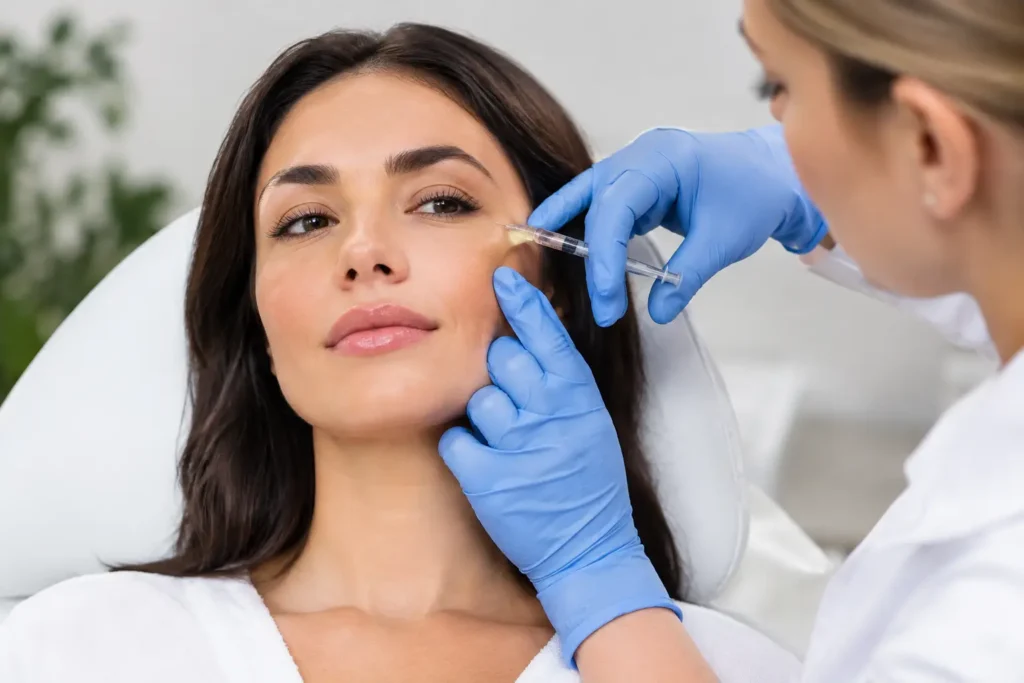
A smoother forehead or softer frown lines can make you look more rested without changing the expressions that make you look like you. But before booking, most patients have one practical question: how long does Botox last? For most people, visible results last about three to four months, although your personal timeline may be shorter or longer depending on your muscles, treatment plan, and lifestyle.
Botox is not a permanent change. That is part of its appeal for many patients. It gives you an opportunity to refresh your appearance gradually, assess how you feel about your results, and maintain them on a schedule that fits your goals and budget.
How Long Does Botox Last for Most Patients?
Most patients enjoy Botox results for approximately three to four months. Some people begin to notice movement returning closer to two or three months, while others maintain a smooth, refreshed look for four months or occasionally longer.
The treatment works by temporarily reducing signals between nerves and targeted muscles. When those muscles relax, repeated movements such as squinting, raising the eyebrows, or frowning do not crease the skin as strongly. Over time, the nerve signals gradually return, muscle activity resumes, and the treated lines begin to reappear.
Your first treatment may not last as long as later appointments. With consistent, appropriately timed treatments, some patients find that their muscles become accustomed to relaxing and their results last a little longer. That is not guaranteed, and it should never be a reason to over-treat. A skilled provider will focus on natural movement, facial balance, and a treatment schedule that makes sense for you.
When Will You See Botox Results?
Botox does not create a full result the moment you leave the appointment. Many patients begin seeing a change within three to five days. The full effect usually develops over 10 to 14 days.
This waiting period matters. It is best not to judge your outcome too early or assume you need more treatment after only a few days. Your provider may recommend checking in at the two-week mark, especially if this is your first Botox appointment or you are treating a new area.
Once the treatment has settled, the goal is typically a rested, natural-looking appearance. You should still look like yourself – simply less bothered by the lines created by repeated facial movement.
What Affects How Long Botox Lasts?
There is no single answer that applies to every face. Several factors can influence how quickly Botox wears off.
Your muscle strength and facial movement
People with stronger facial muscles or highly expressive faces may metabolize their results sooner. For example, someone who frequently raises their brows or squints outdoors may notice forehead or eye-area movement returning faster than someone with less active muscles in those areas.
The area being treated
Different areas of the face can respond differently. Botox for forehead lines, frown lines between the brows, and crow’s feet often lasts around three to four months, but each area has its own muscle activity and treatment needs. A personalized plan matters more than trying to match another person’s timeline.
Your dose and treatment technique
The right dose is not simply the highest dose. Too little product may wear off sooner, while too much can create an overly restricted or unnatural appearance. Precise placement and a dose tailored to your facial anatomy are key to achieving results that look balanced and last appropriately.
Metabolism, exercise, and lifestyle
A faster metabolism may contribute to Botox wearing off sooner for some people. Regular exercise is excellent for overall health, but highly active patients sometimes report shorter-lasting results. Sun exposure, smoking, stress, and skin quality can also affect how lines appear as movement gradually returns.
Whether you have had Botox before
First-time patients often need time to understand their own response. After a few carefully planned appointments, your provider can better estimate how long your results tend to last and when a maintenance visit may be helpful.
How Often Should You Get Botox?
For many patients, scheduling treatment every three to four months helps maintain consistent results. The best timing is usually when you start to notice meaningful movement returning, not when every line has fully returned to its previous appearance.
Avoid booking too frequently just to chase complete stillness. Botox should be individualized, and treatments need enough time to take effect before adjustments are considered. Your provider can help you choose an interval that supports your preferred look while respecting your facial movement and comfort.
If you are preparing for a wedding, vacation, professional event, or family photos, plan your appointment at least two weeks in advance. Four weeks is even better if it is your first treatment or if you want time for a follow-up assessment. This gives the result time to develop without last-minute pressure.
Can You Make Botox Last Longer?
You cannot permanently extend the effects of Botox, but good habits can help you protect your skin and make the most of your treatment. Daily sunscreen is one of the most useful steps because UV exposure contributes to premature skin aging and can make lines appear more noticeable.
A consistent skincare routine, adequate hydration, and avoiding smoking can also support healthier-looking skin. These habits do not stop Botox from naturally wearing off, but they can improve the overall quality and appearance of your skin between appointments.
Choose your provider carefully, too. Natural-looking facial aesthetics depend on more than the product itself. Your facial anatomy, desired level of movement, skin quality, and the relationship between the upper face and your smile should all be considered. At South Zone Dental, facial aesthetic care is approached with the same focus on comfort, precision, and patient-centered planning that guides every service we provide.
What Happens When Botox Wears Off?
When Botox wears off, your muscles gradually return to their usual activity. Your face does not suddenly look worse than before treatment, and you will not become “dependent” on Botox. The lines that were present before treatment may simply become visible again as the muscles resume their normal movement.
Some patients notice that their lines look softer after regular treatments because they have spent less time repeatedly folding the skin. Others return to a look close to their baseline. Both experiences can be normal, which is why realistic expectations are an important part of a good consultation.
Is Botox Right for You?
Botox may be a good option if you want to soften expression lines on the forehead, between the brows, or around the eyes without surgery or downtime. A consultation is the right place to discuss your goals, medical history, previous cosmetic treatments, and any questions about comfort or cost.
Botox is not right for everyone. Pregnancy, breastfeeding, certain neuromuscular conditions, active skin infections near the treatment area, and some medications may affect whether treatment is appropriate. Always share your full health history with your provider before moving forward.
A natural result starts with the right plan
The best Botox treatment is not about erasing every expression. It is about feeling refreshed when you catch your reflection, smiling confidently in photos, and choosing a maintenance plan that feels comfortable for you. A thoughtful consultation can help you decide when to start, what to treat, and how often to return.