
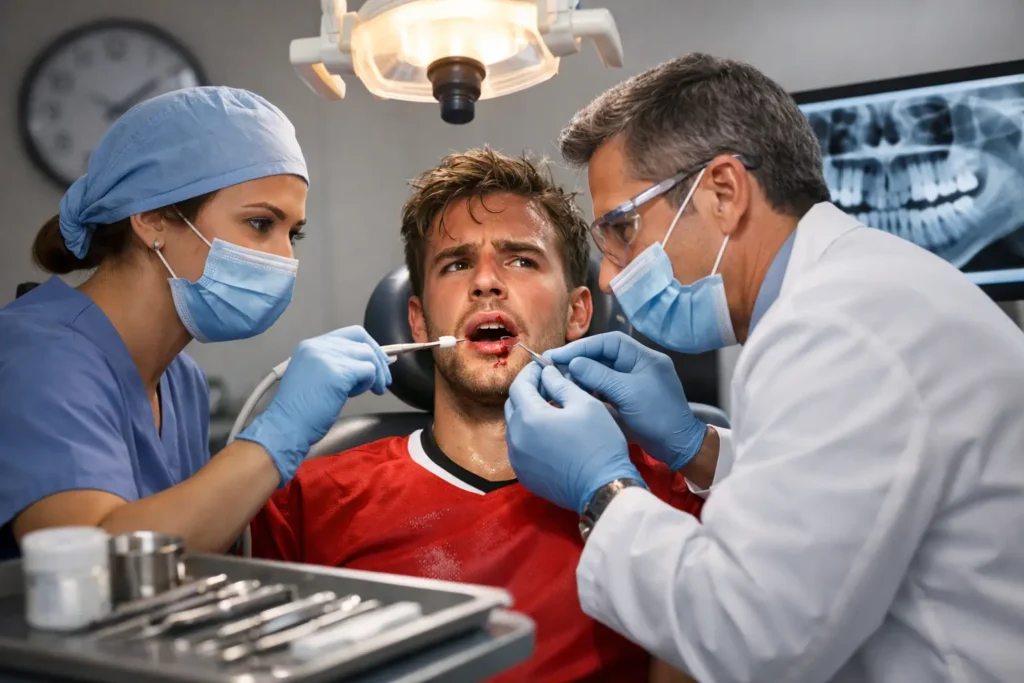
A tooth can chip on the playground, loosen during a game, or get knocked out in one unexpected fall. In these moments, dental trauma treatment is not something to put off until next week. Quick, calm action can reduce pain, protect the tooth, and give your dentist the best possible chance of saving your smile.
At South Zone Dental, we welcome dental emergencies, walk-ins, and patients of all ages. Whether the injury affects a child’s baby tooth or an adult permanent tooth, the first priority is getting the right care as soon as possible.
Dental Trauma Treatment Starts With the Right First Steps
The details of an injury matter, but a few immediate steps are helpful in nearly every dental emergency. First, check for serious injuries. If there is trouble breathing, loss of consciousness, uncontrolled bleeding, severe facial swelling, or a possible jaw fracture, seek emergency medical care right away.
For a dental injury that does not involve those urgent medical concerns, gently rinse the mouth with warm water. Apply light pressure with clean gauze or a soft cloth if the area is bleeding, and use a cold compress on the outside of the cheek to help with swelling. Avoid placing aspirin directly on the gums or tooth. It can irritate the soft tissue and will not treat the cause of the pain.
Call a dentist promptly, even when the tooth appears only slightly chipped or pushed out of position. Trauma can damage the tooth nerve, root, or supporting bone in ways that are not visible without an examination and dental X-rays. Modern diagnostic tools help identify these concerns early, before they develop into infection, discoloration, or more extensive treatment needs.
What to Do for Common Dental Injuries
Different injuries need different handling. Acting carefully can make a meaningful difference before you reach the dental office.
A chipped or broken tooth
Save any tooth fragments you can find. Rinse them gently with water and place them in a clean container with milk or saline if available. A dentist may be able to reattach a larger fragment in some cases. Even a small chip deserves attention, particularly if there is sensitivity to air, cold drinks, or biting pressure. A sharp edge can also cut the tongue or cheek.
Treatment depends on how deep the break extends. Minor chips may be smoothed or repaired with tooth-colored bonding. A deeper fracture may require a protective restoration, a crown, or root canal treatment if the pulp inside the tooth has been exposed. The goal is to preserve as much healthy natural tooth structure as possible while restoring comfort and function.
A loose or displaced tooth
A tooth that feels loose after a fall or impact should be checked quickly. Do not keep testing it with your tongue or fingers, and avoid chewing on that side. A dentist may reposition the tooth and use a small flexible splint to support it while the surrounding tissues heal.
A tooth can be injured even if it does not look broken. It may become tender to bite on, feel higher than the other teeth, or gradually darken over the following weeks. Follow-up appointments are a key part of care because the tooth nerve may respond slowly after trauma.
A knocked-out permanent tooth
A knocked-out permanent tooth is one of the most time-sensitive dental emergencies. Find the tooth by picking it up only by the crown, which is the visible chewing portion. Do not touch the root. If it is dirty, rinse it very briefly with milk, saline, or clean running water. Do not scrub it, scrape it, or wrap it in tissue.
If possible, gently place the tooth back into its socket and have the person bite softly on gauze to hold it in place. If reinserting it is not possible, keep the tooth moist in milk or saline. For an older child or adult who can safely avoid swallowing it, it may also be kept inside the cheek. Get to a dentist immediately. The sooner a permanent tooth is returned to its socket, the better the chance of successful reattachment.
Never try to put a baby tooth back into the socket. Reimplanting a primary tooth can harm the developing permanent tooth underneath. A dentist should still examine the child, as the injury may affect the gums, bone, or future adult tooth.
A tooth pushed inward, outward, or sideways
Do not try to force a displaced tooth back into place at home. This can cause additional damage to the root or surrounding bone. Keep the person comfortable, use a cold compress, and arrange an urgent dental assessment. Depending on the direction and severity of movement, the dentist may reposition the tooth, stabilize it, and monitor healing over time.
Why a Fast Examination Matters
Pain is a clear sign that something is wrong, but no pain does not always mean no injury. A blow to the mouth can create tiny fractures beneath the gumline, injure the root, or affect the nerve inside a tooth. In children, it can also impact how an adult tooth develops below the baby tooth.
During an emergency visit, the dental team will assess the teeth, gums, bite, and jaw. Digital X-rays may be recommended to evaluate the roots and supporting bone. Treatment can range from simple smoothing or bonding to stabilization, root canal therapy, or replacement planning for a tooth that cannot be saved.
There is no one-size-fits-all answer. A small chip on a front tooth may be repaired in a single visit, while a deeply fractured or knocked-out tooth often needs a series of follow-ups. The best plan balances immediate comfort, long-term tooth health, appearance, and what is appropriate for the patient’s age and injury.
Protecting the Area Until Your Appointment
Until you are seen, choose soft foods and avoid chewing on the injured side. Skip very hot, very cold, crunchy, sticky, or hard foods that can trigger pain or worsen a fracture. Continue gentle brushing, but be careful around tender gums and any loose teeth.
If swelling is present, use a cold compress for short intervals. Over-the-counter pain medication may help when taken as directed on the package, but it should not delay an emergency assessment. If a tooth becomes increasingly painful, changes color, develops swelling around the gums, or produces a pimple-like bump, contact a dentist promptly. These may be signs that the tooth nerve or surrounding tissue needs attention.
Parents should also watch children closely after a mouth injury. A child may not be able to explain that a tooth feels different, and symptoms can appear later. Changes in eating, sleep, mood, or willingness to brush may be clues that the mouth remains sore.
Reducing the Risk of Future Dental Trauma
Not every accident can be prevented, but practical protection helps. A custom-fitted mouthguard is a smart investment for contact sports and activities with a risk of falls or collisions. It offers better protection and comfort than a loose, boil-and-bite option, particularly for young athletes who wear it often.
At home, keep walkways clear, use age-appropriate car seats and helmets, and supervise toddlers as they learn to walk. Adults can reduce risk too by wearing protective gear for cycling, skating, and recreational sports. If you clench or grind your teeth, ask your dentist whether a nightguard could help prevent cracking and wear over time.
Emergency Care That Feels More Manageable
Dental injuries are stressful because they are sudden, painful, and often visible. Getting clear guidance and timely care can make the situation feel far less overwhelming. Bring any tooth fragment or knocked-out permanent tooth with you, explain exactly when and how the injury happened, and let the dental team know about changes in bite, sensitivity, or swelling.
A healthy smile is built on everyday prevention, but it is also protected by knowing where to turn when accidents happen. If a tooth has been damaged, loosened, displaced, or knocked out, prompt care gives you the strongest path toward comfort, healing, and a confident smile.