
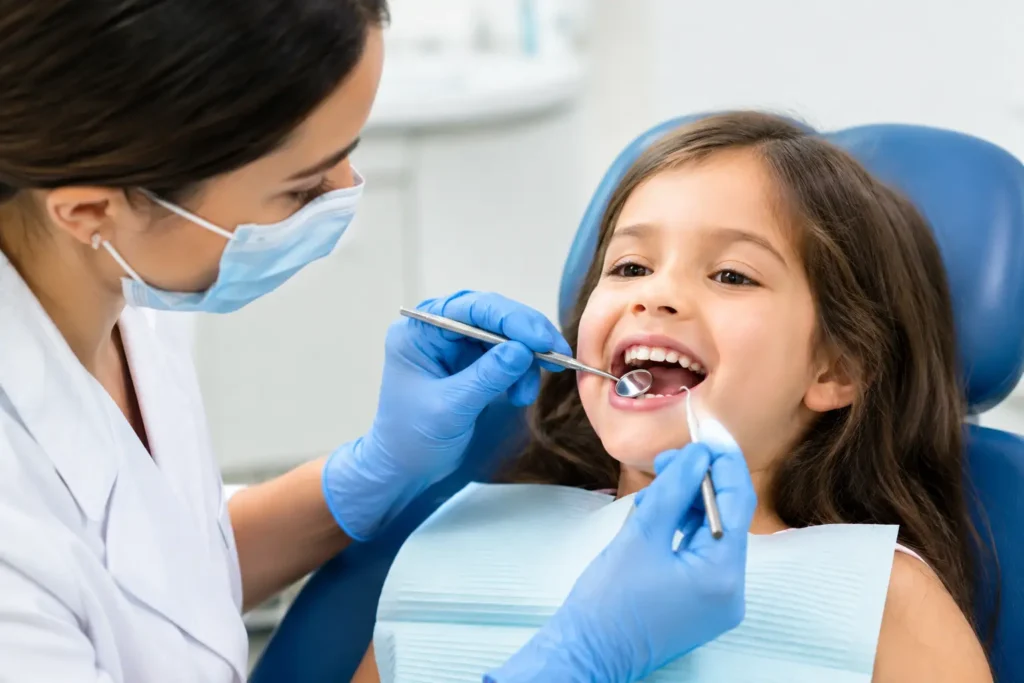
A child who suddenly avoids cold water, chews on one side, or says a tooth hurts at bedtime may be dealing with more than a passing sensitivity. Pediatric cavity treatment addresses tooth decay early, before it becomes a painful infection or a more complicated dental visit. The goal is simple: help your child feel comfortable, protect their developing smile, and make dental care feel manageable from the start.
Cavities are common in children, including those who brush regularly. Small teeth, frequent snacks, sugary drinks, deep grooves in molars, and inconsistent brushing can all give bacteria an opportunity to cause decay. A dentist can identify the extent of the problem and recommend care that fits your child’s age, comfort level, and the condition of the tooth.
Why Treat Cavities in Baby Teeth?
Baby teeth are temporary, but they are not disposable. They help children chew nutritious foods, speak clearly, and hold the right amount of space for adult teeth to come in. When a cavity is left untreated, decay can spread deeper into the tooth and affect the nerve. What started as a small spot may become a toothache, swelling, trouble sleeping, or an urgent dental concern.
Treating decay early also helps prevent an unpleasant association with the dentist. A short appointment for a small filling is usually much easier for a child than treatment after pain has started. For parents, early care can often mean fewer visits, less discomfort, and a more affordable path forward.
Some cavities grow slowly, while others progress quickly. That is why routine exams matter even when your child has not mentioned pain. Children do not always recognize or communicate early tooth sensitivity, especially if the discomfort comes and goes.
Signs Your Child May Need a Dental Visit
Not every cavity is visible to a parent. Early decay can appear as a white, chalky area near the gumline or inside the grooves of a back tooth. As it progresses, you may see brown or dark spots, but color alone does not tell the whole story. A dentist may use an exam and digital X-rays when appropriate to see decay between teeth or under the surface.
Call for a dental appointment if your child has ongoing tooth sensitivity, pain while chewing, a visible hole in a tooth, food repeatedly getting stuck in one area, or reluctance to brush a particular tooth. Swelling of the face or gums, fever, drainage, or severe pain should be treated as urgent. These symptoms can point to an infection that needs prompt professional attention.
Pediatric Cavity Treatment Options
The right treatment depends on how much healthy tooth structure remains, whether the decay has reached the nerve, and how long the tooth is expected to stay in the mouth. A caring dental team will explain what they see, why a recommendation is being made, and what your child can expect during the visit.
Fluoride and early decay care
Very early decay may sometimes be managed with professional fluoride treatment, improved home care, and close monitoring. Fluoride strengthens enamel and can help slow or reverse the earliest stages of demineralization before a cavity has formed a hole. This approach is not right for every situation. Once decay has created a cavity in the tooth, a restoration is often needed.
Tooth-colored fillings
For a small to moderate cavity, the dentist removes the decayed portion of the tooth and places a filling. Tooth-colored composite fillings can blend naturally with the tooth and restore its shape for chewing. Modern techniques and gentle numbing help make this a straightforward experience for many children.
A filling works best when enough healthy tooth remains. If a cavity is large or the tooth is weakened, a filling may not provide the long-term protection needed.
Pediatric crowns
When decay involves a large portion of a baby tooth, a crown can cover and protect the remaining tooth structure. Crowns are often recommended for back teeth that handle significant chewing pressure or for teeth that have needed more extensive treatment. Although parents may understandably worry that a crown sounds like a major procedure, it can be a reliable way to preserve a tooth until it is naturally ready to fall out.
Nerve treatment for an infected tooth
If decay reaches the inner nerve tissue, the tooth may need pulp therapy, sometimes called a baby root canal. The purpose is to remove infected or irritated tissue, relieve pain, and keep the tooth functioning when possible. A crown is commonly placed afterward to protect the treated tooth.
In some cases, removal is the healthiest option, particularly when a tooth cannot be restored or infection is extensive. If a baby tooth is removed early, the dentist may discuss a space maintainer. This small appliance can help keep neighboring teeth from drifting into the open space before the adult tooth is ready to erupt.
Making Treatment Easier for Children
A successful pediatric appointment is about more than the procedure itself. Children respond well when the office explains care in simple language, moves at an appropriate pace, and lets them know what will happen next. Parents can help by using calm, positive words at home. Avoid promising that treatment will not hurt, since a child may interpret normal pressure or unfamiliar sensations differently.
Instead, tell your child that the dentist will count their teeth, help clean away sugar bugs, and work to make their tooth feel better. Bringing a comfort item, scheduling at a time when your child is usually rested, and offering praise afterward can also make a difference.
For children with significant anxiety, very young children, or those needing extensive care, the dentist may discuss options to support comfort and cooperation. The safest approach depends on the child’s health history, treatment needs, and ability to tolerate care. A thorough conversation with the dental team helps parents make an informed decision.
Preventing the Next Cavity
After treatment, prevention becomes the priority. Brush your child’s teeth twice daily using fluoride toothpaste. For children under 3, use a rice-sized smear; for children ages 3 to 6, use a pea-sized amount. An adult should help or supervise brushing until the child can reliably clean every surface and spit out toothpaste, often around age 7 or 8.
Limit frequent sipping and snacking on sweet drinks, juice, candy, crackers, and sticky foods. The frequency of sugar exposure matters as much as the amount. Water between meals is a tooth-friendly choice, and drinking fluoridated water can offer added protection where available.
Regular checkups allow the dentist to monitor eruption patterns, identify weak areas, and recommend preventive options such as sealants for permanent molars. Sealants cover the deep grooves where toothbrush bristles may not reach well, reducing the risk of decay in these vulnerable teeth.
Care That Puts Families at Ease
Parents should never feel pressured to guess when a child’s tooth needs attention. At South Zone Dental, families can expect friendly, modern care built around clear explanations, comfort, and practical treatment recommendations. Advanced diagnostic technology helps the dental team evaluate concerns accurately, while a welcoming approach helps children build confidence visit by visit.
If your child has tooth pain, a dark spot, or a broken filling, do not wait for the discomfort to become an emergency. A timely dental exam can provide answers, relieve worry, and give your child the best chance to keep smiling, eating, and growing comfortably.