
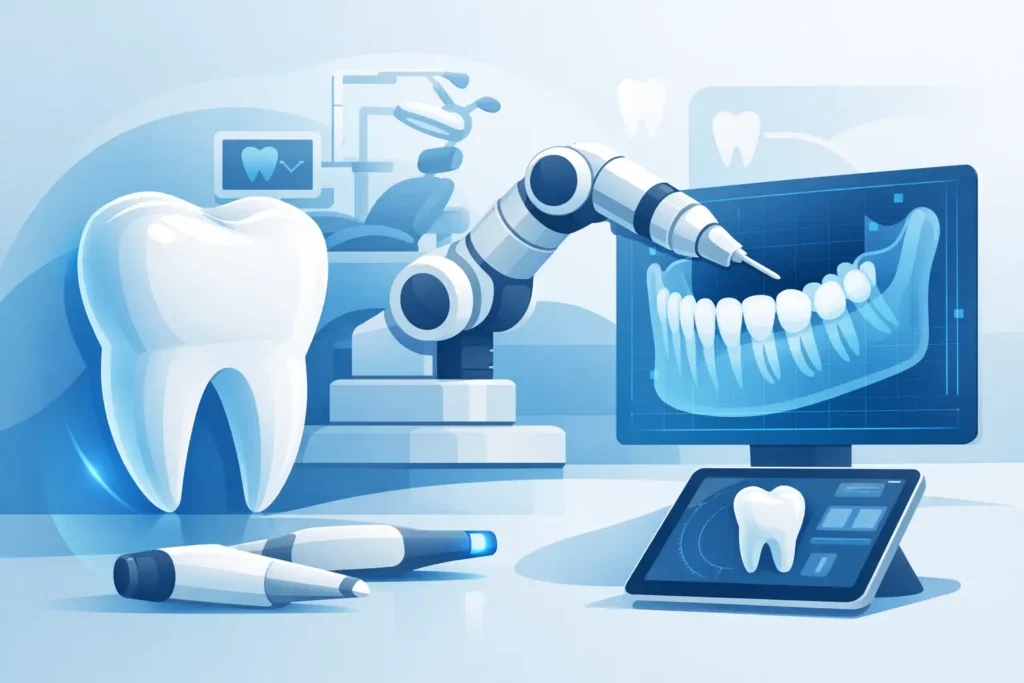
A dental appointment should not leave you wondering what was found, why treatment is recommended, or what happens next. State of the art dental technology helps make care clearer, more comfortable, and more precise – whether you are coming in for a routine checkup, a painful tooth, a child’s first visit, or a smile-focused treatment.
For families in Surrey, modern dentistry is not about adding unnecessary gadgets to an appointment. It is about using the right tools to spot concerns earlier, explain options in plain language, and plan treatment around your needs, timeline, and budget. At South Zone Dental, technology supports the same goal that has always mattered most: helping patients protect their oral health with friendly, high-quality care.
What State of the Art Dental Technology Changes
The biggest benefit of advanced dental technology is better information. When a dentist can see teeth, gums, bone, bite alignment, and developing concerns more clearly, recommendations can be more specific. That may mean monitoring a small area instead of treating it immediately, or addressing a problem before it becomes a more urgent and expensive visit.
Modern tools can also improve the patient experience. Clear images on a screen make it easier to understand what is happening in your mouth. Digital records can make planning more efficient. Carefully selected equipment may reduce the amount of time needed for certain procedures and help treatment feel more predictable.
Technology is valuable, but it is not a replacement for clinical judgment. A scan or software program provides information. An experienced dental team still needs to interpret that information, listen to your concerns, and recommend care that makes sense for you. The best approach combines modern diagnostics with honest, personal guidance.
Digital Imaging Makes Dental Concerns Easier to See
Traditional dental X-rays remain an important diagnostic tool, but digital imaging has changed how quickly images can be captured, viewed, and shared with patients during an appointment. Digital images allow the dental team to examine areas that cannot be fully assessed with the naked eye, including spaces between teeth, roots, and bone levels around the teeth.
For patients, the difference is often simple but meaningful: you can see what your dentist sees. If there is a cavity between two teeth, an infection near a root, or bone loss related to gum disease, the image can help turn a confusing recommendation into a straightforward conversation.
Digital X-rays and 3D imaging
Different situations call for different types of imaging. Digital X-rays are commonly used during routine exams and when investigating pain, decay, or gum concerns. More detailed 3D imaging may be recommended when planning complex treatment, such as dental implants, certain root canal cases, impacted teeth, or surgical procedures.
A 3D scan provides a more complete view of the area being evaluated. This can support precise planning by showing the relationship between teeth, roots, bone, and nearby structures. It does not mean every patient needs a 3D scan. Your dental team should recommend imaging based on the clinical question being answered, not because more technology is always better.
Intraoral Cameras Put You in the Conversation
It can be difficult to understand a dental concern when it is located behind a back tooth or along the gumline. Intraoral cameras are small cameras that capture close-up images inside the mouth. These images can reveal cracks, worn edges, plaque buildup, broken fillings, gum inflammation, and other visible issues.
Seeing an image can be especially helpful if you have been told you need treatment but are unsure why. Rather than relying only on a description, you can view the area and ask questions before deciding how to proceed. This supports informed choices and helps parents better understand recommendations for their children.
Intraoral cameras are also useful for tracking changes over time. A small crack, worn tooth surface, or early gum concern can be documented and monitored at future visits. Sometimes the right recommendation is treatment. Other times, the right choice is to watch an area carefully while maintaining good home care and regular exams.
AI Can Support Earlier, More Consistent Reviews
Artificial intelligence is becoming part of dental care, particularly in reviewing X-rays and identifying patterns that may deserve a closer look. AI-assisted tools can flag possible areas of decay, bone changes, or other findings for the dentist to assess. This can serve as an additional layer of review, especially when comparing images over time.
For patients, AI should never feel like a machine is making decisions about your treatment. It is a support tool, not a diagnosis on its own. A dentist evaluates the images alongside your symptoms, medical history, clinical exam, and personal goals.
The benefit is consistency and clarity. If software highlights a possible concern, your dentist can explain whether it is something to monitor, investigate further, or treat. If the finding is not clinically significant, that should be explained too. Good technology should lead to better conversations, not pressure.
Precision Matters for Restorative and Biomimetic Dentistry
When a tooth has decay, a fracture, or an old filling that is failing, the goal is not simply to fill a space. The goal is to preserve as much healthy tooth structure as possible while restoring strength, function, and appearance. This philosophy is central to biomimetic dentistry, which focuses on restoring teeth in ways that respect how natural teeth are built and behave.
Advanced diagnostic tools can help identify cracks, decay, and weakened areas with greater confidence. High-quality imaging, magnification, and carefully planned materials all contribute to treatment that is tailored to the tooth rather than approached with a one-size-fits-all solution.
Not every damaged tooth requires the same restoration. A small cavity may be treated conservatively, while a heavily cracked or weakened tooth may need more protection. The right option depends on how much healthy tooth remains, where the damage is located, your bite, and your long-term goals. Technology helps with planning, but thoughtful treatment decisions remain essential.
Modern Technology Can Improve Emergency Dental Visits
When a toothache, broken tooth, swollen gum, or dental injury disrupts your day, you want answers quickly. Emergency dentistry often depends on prompt diagnostics. Digital imaging and intraoral cameras can help identify the likely source of pain or damage so that the dental team can focus on relieving discomfort and protecting the tooth.
For example, pain may come from a deep cavity, an abscess, a cracked tooth, a failing restoration, or a gum-related problem. These issues can feel similar to a patient, but they require different treatment plans. Clear diagnostics help avoid guesswork during an already stressful visit.
If you are experiencing facial swelling, severe pain, uncontrolled bleeding, trauma, or a loose adult tooth, do not wait for the problem to improve on its own. Seeking timely dental care can make a meaningful difference in treatment options and comfort.
Technology Should Still Feel Personal and Affordable
Patients sometimes worry that advanced technology automatically means an expensive appointment. The truth is more nuanced. Some advanced imaging or specialized tools may involve additional costs when they are clinically necessary. At the same time, accurate diagnosis and early treatment planning can help avoid more extensive care later.
A patient-centered practice should be transparent about why a test, scan, or procedure is being recommended. You should feel comfortable asking what information it provides, whether there are alternatives, what happens if you wait, and how it affects the total cost of care. For cost-conscious families, that conversation matters just as much as the equipment itself.
Modern care should also remain accessible. Whether you are a new patient, need a walk-in appointment, are dealing with a dental emergency, or are using CDCP benefits, the focus should be on practical options and respectful guidance. Technology works best when it removes barriers instead of creating them.
Choosing a Dental Team That Uses Technology Well
The presence of advanced equipment is a good sign, but the way a dental office uses it matters more. Look for a team that explains findings in everyday language, shows you relevant images when possible, and gives you space to ask questions. You should never feel rushed into treatment because a screen displayed a colored alert or a scan found something unfamiliar.
A strong dental experience combines modern diagnostics with comfort, experience, and trust. It means receiving care that considers your health, appearance, schedule, and budget – without losing the human connection that makes a dental office feel welcoming.
The right technology can make your next visit feel less uncertain and more empowering. If you have put off care because you are worried about pain, cost, or not knowing what to expect, a conversation with a friendly dental team is a practical first step toward a healthier, more confident smile.