
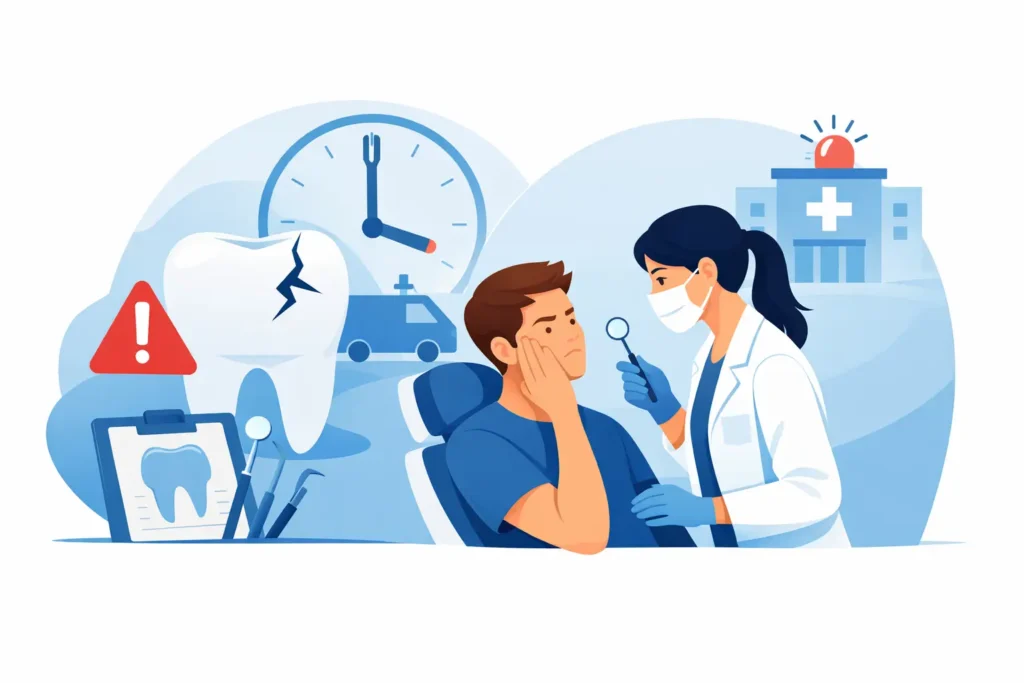
A cracked tooth at breakfast, a swelling that shows up by lunch, or a child waking up with sharp tooth pain can turn a normal day into a stressful one fast. That is when a same day emergency dentist matters. Quick care is not just about comfort. In many cases, it can stop the problem from getting more painful, more expensive, and harder to treat.
Dental emergencies rarely happen on a schedule. People often try to wait it out, hoping the pain will fade or the swelling will calm down. Sometimes a minor irritation does settle. But when there is severe pain, trauma, infection, bleeding, or a broken restoration affecting how you bite or speak, waiting can make things worse. The right move is to get evaluated as soon as possible by a dental team that can see urgent cases the same day.
What counts as a same day emergency dentist visit?
Not every tooth issue needs immediate treatment, but plenty of problems do. A same day emergency dentist is the right choice when symptoms suggest active damage, infection, or a risk to the tooth that gets worse with time.
Severe tooth pain is one of the clearest examples. Pain that keeps you from eating, sleeping, or focusing is not something to brush off. It may come from deep decay, a cracked tooth, an abscess, or inflammation inside the tooth. The source is not always obvious without an exam, and pain can spread into the jaw, ear, or face.
Swelling is another sign to take seriously. If your gums, face, or jaw look puffy, especially with pain or fever, infection may be involved. Dental infections can move quickly. Some stay localized, while others spread into surrounding tissues. That is one of those situations where same-day care can protect more than your smile.
A knocked-out tooth, chipped tooth, broken crown, or lost filling can also qualify as urgent. The level of urgency depends on the damage. A tiny chip with no pain may wait a little longer. A large fracture, exposed nerve, or front tooth injury usually should not. Timing matters because some teeth and restorations are more likely to be saved when treated quickly.
Signs you should not wait until next week
A lot of patients wonder whether they are overreacting. Usually, they are not. If you have pain that is worsening instead of improving, visible swelling, pus, sensitivity that feels sharp and immediate, trouble chewing, or bleeding that does not stop, you should be seen soon.
There are also cases where a dental problem overlaps with a broader medical concern. If swelling affects breathing or swallowing, or if you have significant facial trauma, seek urgent medical help right away. A dental office can treat many emergencies, but some situations need hospital-level care first. That is not being alarmist. It is just part of knowing where the safest care starts.
For children, the same logic applies. A loose baby tooth is one thing. A child with facial swelling, a broken permanent tooth, or pain that keeps them from eating is a different story. Fast evaluation can make treatment simpler and less stressful for the whole family.
What to expect at a same day emergency dentist appointment
The first priority is finding the cause of the problem, not just covering up the symptoms. That usually starts with a focused exam, digital imaging, and a conversation about when the pain or injury began. Modern technology can help speed up diagnosis, which matters when you are uncomfortable and need answers quickly.
Once the dentist identifies the issue, treatment depends on what is going on. You may need a filling, bonding, a crown repair, drainage for infection, root canal treatment, extraction, or medication support as part of a larger plan. Sometimes the goal of the first emergency visit is to stabilize the situation and relieve pain, then finish the full treatment in a follow-up appointment. Other times, complete treatment can happen that same day.
This is where experience and access matter. A full-service office can often handle more in one place, which saves time and reduces the stress of being referred elsewhere while you are already in pain.
Common emergencies and how treatment may differ
Toothaches are often grouped together, but they are not all the same. A cavity near the surface may need a filling. A deep infection inside the tooth may need root canal treatment. A crack may require a crown, while a tooth that cannot be saved may need extraction. The symptom sounds similar, but the solution depends on the diagnosis.
Broken teeth also vary. A small cosmetic chip may be smoothed or bonded. A larger break that affects the structure of the tooth may need a crown. If the fracture extends below the gum line, treatment becomes more complex. That is one reason immediate assessment is useful. What looks minor in the mirror can be much more serious clinically.
Lost crowns and fillings may sound less urgent, but they can become painful quickly. Once the underlying tooth is exposed, hot, cold, and pressure can become hard to tolerate. In many cases, replacing or repairing the restoration quickly helps prevent further breakdown.
Gum infections, abscesses, and swelling often need prompt care even if the pain is manageable. Infection does not always match pain level. Some patients feel only pressure at first. Others have severe throbbing pain. Either way, prompt treatment helps control the problem before it spreads.
Why quick treatment can save money, not just time
It is easy to think of urgent dental care as an extra cost, especially if the problem starts small. In reality, early treatment is often the more affordable path. A cavity treated with a filling is simpler than a cavity that turns into a root canal and crown. A cracked tooth seen quickly may be restorable, while a delayed visit can end in extraction and replacement.
There is also the everyday cost of waiting – missed work, poor sleep, difficulty eating, and the distraction of constant pain. Families feel that strain fast. Getting seen the same day can restore normalcy sooner and reduce the chance of a minor issue turning into a major one.
For cost-conscious patients, it helps to choose a practice that is upfront, accessible, and able to treat both urgent and ongoing needs. Convenience matters, but so does having a team that looks for the most practical next step, not just the fastest temporary fix.
Choosing the right same day emergency dentist
When you need urgent care, you do not want to spend hours comparing offices. A few things make a real difference. First, look for a clinic that accepts walk-ins or keeps space available for emergencies. Second, choose a provider with broad services under one roof, so diagnosis and treatment are not split into multiple stops. Third, pay attention to patient experience. Fast appointments matter, but so do clear communication, comfort, and a team that treats you with respect when you are stressed.
Technology can be a real advantage here. Digital diagnostics and modern treatment tools can speed up decision-making and improve precision. That does not replace clinical judgment, but it supports it. In an emergency, efficiency is not about rushing. It is about getting the right information quickly and acting on it.
That is part of why many families in Surrey look for an office that combines accessibility with advanced care. South Zone Dental is built around that balance, offering walk-in availability, emergency support, modern technology, and care that stays approachable for patients of different ages and budgets.
What you can do before you arrive
A few simple steps can help while you are getting to the office. If a tooth is knocked out, handle it by the crown, not the root. If possible, place it back in the socket gently or keep it in milk until you are seen. For swelling, use a cold compress on the outside of the face. For bleeding, apply gentle pressure with clean gauze. If a crown or filling falls out, keep the piece and bring it with you.
Try not to put aspirin directly on the gums or tooth. It will not solve the problem and can irritate the tissue. Stick to the label directions for over-the-counter pain relief unless you have been told otherwise by a medical professional. Most importantly, do not assume the pain going quiet means the issue is gone. Dental infections and nerve problems can change temporarily without actually improving.
Same-day care should feel reassuring, not rushed
Urgent treatment can be fast without feeling impersonal. The best emergency visit is one where you get relief, understand what is happening, and leave knowing the next step. That matters whether the issue is a sudden toothache, a sports injury, or a broken restoration right before an important event.
If something feels wrong, trust that instinct. Teeth rarely fix themselves, and dental pain has a way of getting your attention for a reason. The sooner you are seen, the more options you usually have, and the easier it is to protect your comfort, your time, and your smile.