
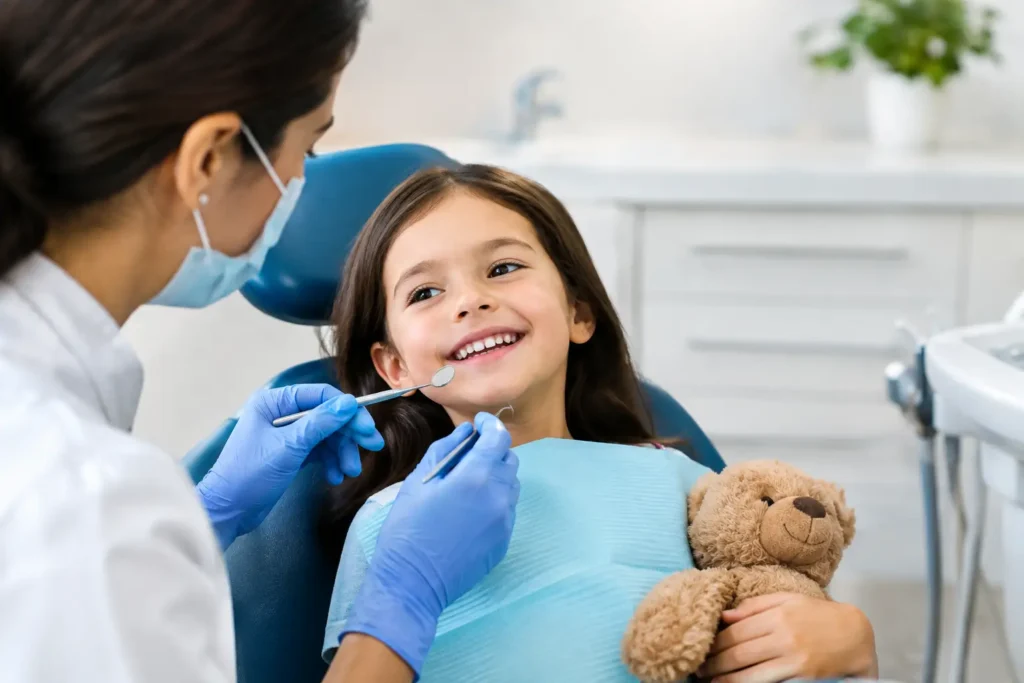
A child’s first dental visit can shape how they feel about the dentist for years. A calm introduction, a friendly explanation, and care that moves at their pace can turn an unfamiliar appointment into a normal part of growing up. That is the goal of pediatric dental care: protecting young smiles while helping children feel safe, heard, and proud of their progress.
For Surrey families, the best approach is usually simple: start early, keep visits regular, and address small concerns before they become painful or costly. Every child is different, so the timing and treatment plan should reflect their age, oral health, comfort level, and family needs.
When Should a Child First See a Dentist?
Many parents wait until all baby teeth have come in, but the first visit should happen much earlier. A dental visit around a child’s first birthday, or within six months of the first tooth appearing, gives the dentist a chance to check development, discuss feeding and brushing habits, and identify concerns early.
That first appointment is often short and gentle. For infants and toddlers, it may involve a knee-to-knee exam, a look at the gums and emerging teeth, and practical guidance for parents. The focus is not on doing more than a child needs. It is on building familiarity and catching issues while they are easier to manage.
As children get older, routine checkups help monitor how teeth are erupting, whether the bite is developing as expected, and whether plaque, cavities, or gum irritation are becoming concerns. Some children need visits more often because they are prone to cavities, wear braces, have enamel concerns, or have medical conditions that affect oral health. Others may only need the standard recall schedule recommended by their dentist.
What Pediatric Dental Care Looks Like at Each Stage
Children’s mouths change quickly. Care that makes sense for a preschooler may not be the right focus for a teenager, which is why ongoing exams matter.
Babies and toddlers
Before children can brush on their own, parents do most of the work. Wipe gums gently before teeth appear, then use a small, soft toothbrush as soon as the first tooth erupts. A tiny smear of fluoride toothpaste is generally appropriate for children under age 3, while children ages 3 to 6 typically use a pea-sized amount. Supervision matters because young children tend to swallow toothpaste rather than spit it out.
Early childhood cavities can develop faster than many families expect, especially when teeth are frequently exposed to milk, juice, sweetened drinks, or snacks. Water between meals and before bed is the easiest choice for teeth. If a child uses a bottle or sippy cup at bedtime, avoid filling it with anything other than water after brushing.
School-age children
Once children begin school, independence is growing, but brushing skills are still developing. Most children need help or close supervision until they can write neatly and consistently, often around ages 7 or 8. The goal is two thorough brushing sessions a day, plus daily cleaning between teeth where they touch.
This is also the age when dental sealants may be discussed. Sealants are protective coatings placed on the chewing surfaces of back teeth, where deep grooves can hold food and bacteria. They are not a replacement for brushing, but they can be a valuable preventive option for children at higher risk of decay.
Teens
Teenagers face a different set of challenges: sports injuries, braces or clear aligners, energy drinks, irregular routines, and the temptation to rush through brushing. Orthodontic treatment can make cleaning more demanding, and sugary or acidic drinks can increase the risk of cavities and enamel wear.
A teen who plays contact sports should ask about a properly fitted mouthguard. A custom option may offer a more comfortable fit than a store-bought guard, particularly for a child with braces or a changing bite. The right choice depends on the sport, the child’s dental needs, and how consistently they will wear it.
Prevention Is More Than Brushing
Brushing twice daily with fluoride toothpaste is the foundation, but it cannot do all the work. Cavities are influenced by how often teeth are exposed to sugar and acid, not just the total amount consumed. Sipping sweet drinks over several hours can be tougher on teeth than having the same drink with a meal and then drinking water afterward.
Parents do not need to create a perfect diet to support healthy teeth. A realistic routine is more effective: offer water most often, keep sugary snacks and drinks occasional rather than constant, and avoid grazing all day when possible. Cheese, plain yogurt, vegetables, fruit, eggs, and nuts for children who can safely eat them can all fit well into tooth-friendly snack routines.
Dental checkups add another layer of prevention. Professional cleanings remove buildup that brushing may miss, while exams can identify small cavities, worn enamel, gum inflammation, and bite changes before they create bigger problems. Digital imaging may be recommended when a dentist needs to see areas between teeth or beneath the gums that cannot be assessed during a visual exam alone.
Helping an Anxious Child Feel Comfortable
Dental anxiety is common, and it does not mean a child is being difficult. Some children are sensitive to sounds, bright lights, new sensations, or loss of control. Others have had a painful toothache or a challenging medical experience that makes any appointment feel intimidating.
A few small choices can make a meaningful difference. Schedule at a time when your child is usually rested, avoid presenting the visit as something scary, and use simple, positive language. Instead of promising that nothing will happen, let them know the dental team will explain what they are doing and help them take breaks if needed.
For young children, it is often best to keep explanations short. Saying, “The dentist will count your teeth and make them sparkle,” can be more reassuring than offering too many details. Older children may prefer to know what to expect and why a treatment is recommended. Their questions deserve direct, age-appropriate answers.
At South Zone Dental, families can expect a welcoming, patient-focused approach that supports routine visits as well as more urgent concerns. Modern diagnostic tools can help dentists assess developing smiles accurately, while a caring team can adapt the pace of treatment to a child’s comfort level.
When a Dental Problem Needs Prompt Attention
Not every concern is an emergency, but children should not have to wait through significant pain. A toothache, facial swelling, fever with dental pain, a broken tooth, or a knocked-out permanent tooth should be assessed promptly. Fast care can relieve discomfort, protect the tooth when possible, and prevent an infection from becoming more serious.
If a permanent tooth is knocked out, handle it by the crown, not the root. If it is dirty, rinse it gently with water without scrubbing. If possible, place it back in the socket and have the child bite softly on clean gauze. If that is not possible, store the tooth in milk or saliva and seek urgent dental care. Do not try to reinsert a baby tooth, as this could harm the developing permanent tooth beneath it.
For a chipped tooth, save any pieces you can find and call the dental office. Even a small chip may expose sensitive inner layers or affect how the child bites. Swelling, uncontrolled bleeding, or trouble breathing or swallowing requires immediate emergency medical attention.
Making Dental Care Work for Busy Families
Parents often balance school schedules, work, transportation, budgets, and the needs of multiple children. That is why accessible care matters. A practice that welcomes new patients, offers practical appointment options, and can help when a problem arises takes some of the pressure off families.
Cost should also be discussed openly. Preventive care is usually more affordable and less stressful than waiting for pain or infection. Families using the Canadian Dental Care Plan should confirm coverage details before treatment, while the dental team can explain recommended options and help prioritize what needs attention now versus what can be monitored.
A healthy smile does not require perfection. It grows from steady habits, regular checkups, and a dental team your child learns to trust. Start with one appointment, bring your questions, and give your child the chance to see dental care as a normal, positive part of caring for themselves.